 Photo Credit: Creative Commons
University of Kentucky Queer Students Face Policy Backlash


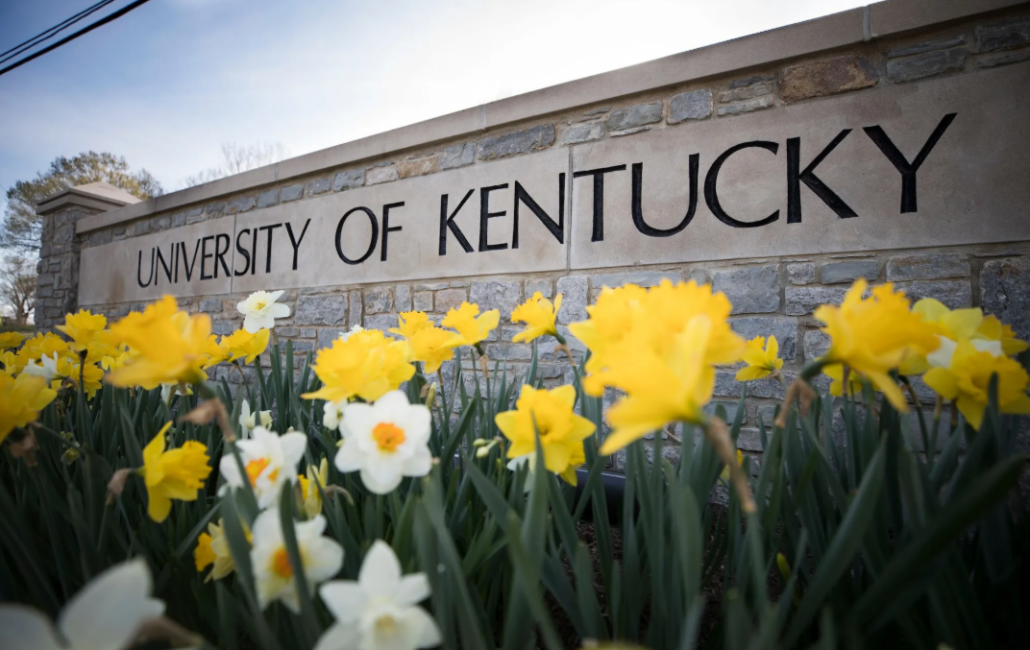
Queer students at the University of Kentucky are concerned because of policies created by the Trump administration that the university is adopting. While federal policy changes may sometimes seem theoretical, recent research suggests that a lack of perceived university support is linked to worsening mental health among queer students nationwide.
UK has already seen queer student organizations and events targeted by policies handed down by Trump officials.
University of Kentucky Rolls Back LGBTQ+ Protections
The first sign of a shift in university policy came in April 2025, when Jay Blanton, University of Kentucky’s vice president for university relations and chief communications officer, told the Herald Leader that UK halted LGBTQ+ graduation celebrations “in accordance with state and federal law.” Additionally, the change came in cooperation with state law House Bill 4, which prohibits differential student housing based on factors like gender, the University removed gender-inclusive housing.
Funding Pulled From LGBTQ+ Student Organizations
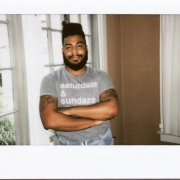
Then, in October 2025, Kentucky Kernel reported that LGBTQ+ student organizations STEMgiQueers and OUTLaw had UK support and funding to participate in a professional development conference revoked. This was attributed to the University’s attempt to comply with a new directive by the U.S. Department of Education’s Office for Civil Rights regarding the university-endorsed minority organizations and events. During the spring 2026 semester, Carson English, then UK’s Gender Sexuality Alliance (GSA) president, a queer rights activist, and public policy student told Queer Kentucky how these changes were affecting LGBTQ+ UK students urging the university to support LGBTQ+ students. He said he’s seen a change in queer students since the policies.
“I have noticed a decrease in, you know, student usage of safe spaces on campus. Less students are coming in,” he said. He also feels the concern personally.
When asked if he believes UK’s campus is more or less safe compared to previous years, English said, “I say a little bit less safe.”
English self-categorized as someone who can “sort of [straight] pass.”
He added: “I’m not usually the target of any sort of hate crimes, hate speech, anything like that.”
“I don’t understand why queer groups are being targeted so much,” English said. “I’m not doing anything to harm them. I’m not doing anything to harm anybody… it feels like such a small percentage of the population is being targeted at such a large scale.”
Anti-LGBTQ+ Groups Gain Ground on Campus
Beyond administrative changes, student organizations described as being anti-LGBTQ+ have seemed to increase their presence perhaps emboldened by UK’s enforcement of arguably inequitable policy. Student representatives for Turning Point USA (TPUSA) have become hard to miss. Even though an investigation has been initiated by UK regarding leaked TPUSA group chat messages claimed to allegedly normalize violence and participate in discriminatory harassment, the group still has increasingly promoted anti-LGBTQ+ messaging, including by highlighting voices like prominent anti-trans activist Riley Gaines.
This story exists because of readers like you. Give $5 a month to keep Queer Kentucky free.
English said that while he thinks there are more private anti-LGBTQ+ events, most students remained supportive.
“I think from what I’ve seen, what’s happening is the vast majority of students are not in support of the changes, or are allies, or part of the queer community, and sort of in private spaces, hate speech has increased such as the group chats that were leaked from TPUSA,” he explained.
When asked if he felt supported by the university, English responded, “No.”
He said he felt that university officials kept deferring blame to the state or federal government, as opposed to being non-complicit, taking accountability, or at least communicating changes better to students.
“I think the way… that management or the higher-ups of the university are conducting this and managing themselves in this situation is cowardly,” English said.
English graduated this year. As he thinks of the job market that awaits him now, he said that losing the university support leading up to this huge change felt “uneasy.”
University officials did not respond to Queer Kentucky’s request for comment.
He explained that while it’s been difficult for his organization, the GSA’s members have come together.
“It’s just made us stronger in our convictions,” English said.
Keep reading
 AVOL Kentucky Is Adding Injectable PrEP. One Shot Can Replace Two Months of Pills.
 Kentucky Black Pride Turns 10 in the Park That Sheltered Queer Lexington
 At Black Soil KY’s Farmacy Markets, Narcan Sits Beside the Produce
 Federal Cuts “Handcuffed” BIPOC Harm Reduction in Kentucky. Communities Are Stepping Up.
 It’s a Pause, Not a Ban: Liz Sheehan on Lexington’s Data Center Moratorium