
Resources, Rights, and Community: An Interview With Dara Adkison of TransOhio


This story first appeared in Queer Cincinnati: Beyond the Binary, published Oct. 23, 2026.
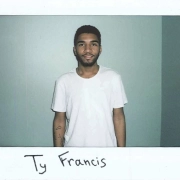
For many transgender Ohioans, recent legislation has reshaped the conversation around healthcare, education, and safety. At the center of these conversations, with a central mission to provide facts around these sometimes confusing subjects, is TransOhio. In the summer of 2026, I conducted an interview with Dara Adkison, the Executive Director of TransOhio, a nonbinary, genderqueer, trans-masculine person who previously served on the TransOhio Board of Directors for two years.
What was the driving force that led to the start of TransOhio?
TransOhio has been around for 21 years in a variety of different iterations. We started in 2005 when there wasn’t a trans organization in the state. We started off as a Zine actually, providing resources, community spaces, and message board kind of stuff. It was a place for different kinds of voices to be heard. We started making zines again recently. We have a rolling admission for when we have enough submissions to put together something cool.
What are some of the tangible ways in which you’ve been able to carry out your mission of protecting and advancing the rights of trans, nonbinary, intersex, and gender nonconforming people in Ohio?
We are hard focused on what is tangible. We don’t do performative at TransOhio. We have a longstanding (over 10 years now) legal clinic for anyone who needs care, all free for any trans person who needs it. We’ve helped over 4000 trans people in Ohio with name changes and gender marker changes. We also have an emergency fund which has exponentially scaled in the last two years. We provide emergency help for people who reach out and might be in a dangerous situation. We have recently passed out $250,000 out to our community statewide. If people are trans in Ohio and are in need of help, we’re gonna help them.
TransOhio’s vision mentions wanting to increase lesbian, gay, bisexual, heterosexual, and ally understanding/cultural awareness of the Ohio transgender community. In your eyes, what does being a good ally to the trans community mean today?
I think that being an ally today is not being afraid to stick your neck out. We don’t need allies that are going to wave a flag, but then be silent when they see a trans person getting yelled at on the street. We don’t need allies that will wear a love wins pin, but then when they see the gender expansive person at their job getting discriminated against they don’t say anything. We need people to be vocal in those small moments that are very large for the people being directly impacted by them. We need people to be vocal with their legislators. That’s where I see allyship.
Your brochure mentions advocating for laws and policies which best protect our most vulnerable community members. In what ways do you advocate for those with intersecting identities, especially when factors other than transphobia (like racism and sexism) are sometimes still very present within trans communities?
At TransOhio, whenever we ourselves are running a program or partnering on an event, we do everything we can to not just make the spaces inclusive, but welcoming. We are very intentional about making sure people from a variety of intersecting identities are in our leadership, and also in the room when we are figuring out plans and programs. As a white trans leader, I am personally very vocal about making sure doors are open. You won’t find me doing an all white panel.
The Cleveland clinic recently agreed to a 20 year ban of gender affirming treatment for patients under the age of 18. This includes puberty blockers, hormone therapy, and other treatments. You’ve made efforts to put out many facts about this settlement. As there are unfortunately more laws being put out very similar to this settlement, how do you counteract the ambiguity? How do you lessen the confusion surrounding them?
Our main tactic for lessening confusion is to try and put out as much correct information as possible. We kind of consider ourselves the disinformation assistance for trans people in Ohio, because we are always going to say what’s correct. I know that can sound a little obnoxious, but we put a lot of time and effort into making sure we are sharing correct information. We also know how much people trust us to be giving them correct information.
For the Cleveland clinic stuff, our main conversation moving forward is what we can do about it? HB68 is still in active litigation, but even if that litigation ends up going our way, then we now have this settlement in place that will affect Cleveland clinic in perpetuity for 20 years. There’s nothing that the courts can do about that. What we can do is make Cleveland Clinic look like idiots for complying in an effort to have no other hospital want to comply excessively in the way that they have. They did not NEED to make this settlement. We don’t want our hospitals caving into the Department of Justice, not about trans healthcare, and not about anyone’s healthcare. Coming back to talking about things good allies can do: Allies who have financial power are the ones that end up getting listened to. This is a great moment for those people to step up and talk to the hospitals and say that we don’t want this kind of compliance. The Cleveland Clinic has made a very intentional choice about who they want to be as a medical leader, not just in Ohio but globally, and they should be shamed for it.
Do people often reach out to your organization for clarity regarding these things? If so, in what manner?
I think it depends what kind of clarity folks are looking for. We definitely have a fairly substantial social media footprint. Regardless of my personal opinion of social media, it is still a very efficient and active way of getting information out, especially in some more rural areas. When we’ve had complex bill conversations, we’ll have discord sessions for open community discussion about potential impacts, potential contingency planning, and generally just answering questions. People also reach out to us with more personal questions. You can reach out via email, messenger, and different chats on various platforms. We don’t recommend approaching myself, or any of our board members if you see us just trying to exist as a queer person out in the world please. Our main inbox [email protected] is a good one.
Aside from the plethora of information that your own organization provides, what other organizations or resources do you often find yourself recommending to trans individuals struggling with staying informed about their rights?
In Cincinnati specifically, Transform provides some really fantastic support services, groups, social programming, or even their free closet. Trans Masc Cincy is [another group] really focusing on trans youth. They have some really great support groups for masc presenting folks. In terms of other places for staying on top of the ever-changing landscape of things, Advocates for Trans Equality (A4TE) nationally advocates for trans rights. They have great information, particularly other kinds of guides existing outside of Ohio. If folks were born in other places sometimes we will send them over to A4TE’s guides.
In your mission you also mention providing social activities that are inclusive and foster pride in the Ohio transgender community. What can someone who might be anxious about attending these events expect from them? What’s a specific and successful activity that you’ve put together?
We are in the 27th year of our annual gathering, the TransOhio Symposium. We are actually having it in Cincinnati this year for the first time. It’s the gathering of about 200-400 trans people over the course of a weekend. It’s a really unique kind of environment. There aren’t a lot of other opportunities to have a social and informational sharing community meal with that many other trans people. When we’re looking at what a successful symposium would look like, it sometimes can be very overwhelming. We have people that come and it’s their first time presenting as themselves in a community space. We have people who it’s their first time meeting other trans people. We have folks who drive in from other states with a parent or friends because they don’t have anything like this near them. We really take responsibility in knowing the kind of safe space that we’re trying to create. It’s all community and trans driven. There’s always a lot of food and quiet spaces. It’s super accessible for people to just relax and take a sec, and you can come and go as you please. This is a core program for us and a major undertaking.
With this magazine we are focused on reaching trans youth. What personal advice do you find yourself giving to trans youth that are particularly struggling with fear and acceptance right now?
I don’t think there’s one perfect thing to say, just because everyone’s experience with their understanding of their gender is so different from person to person. Speaking personally for what I would have said to my younger self is that being unapologetic sooner is extremely freeing. For people that don’t have accepting families it can be so complicated, but giving yourself permission to exist with multiple feelings at once is also okay. You can be frustrated with a parent, and also love them, and also want to be respected, and also be okay with having all those complex feelings and knowing exactly who you are at the same time. It doesn’t have to be binary, just like our genders don’t have to be binary. It’s okay to give yourself permission to evolve and grow and change. I would also strongly encourage reading queer history, because I know I didn’t learn ANY in school. My three favorite quick crash course recommendations would be “Saving Our Own Lives”, “Queer Trans and Mostly Black: a Mutual Aid Story from the Last 50 Years”, “Black on Both Sides”, and “Before we Were Trans”.
Keep reading
 How Missy Spears’ Humor and Advocacy Evolved Into Powerful Local Leadership
 Roebling Bridge protester arrested in court on felony riot charge
 Boone County KY Pride Festival Returns During LGBTQ+ History Month
 Smoke & Queers: How a Queer Burlesque Troupe Built a Stage for Everyone Else
 S.G. Goodman Brings Her Kentucky Tour Home This Week