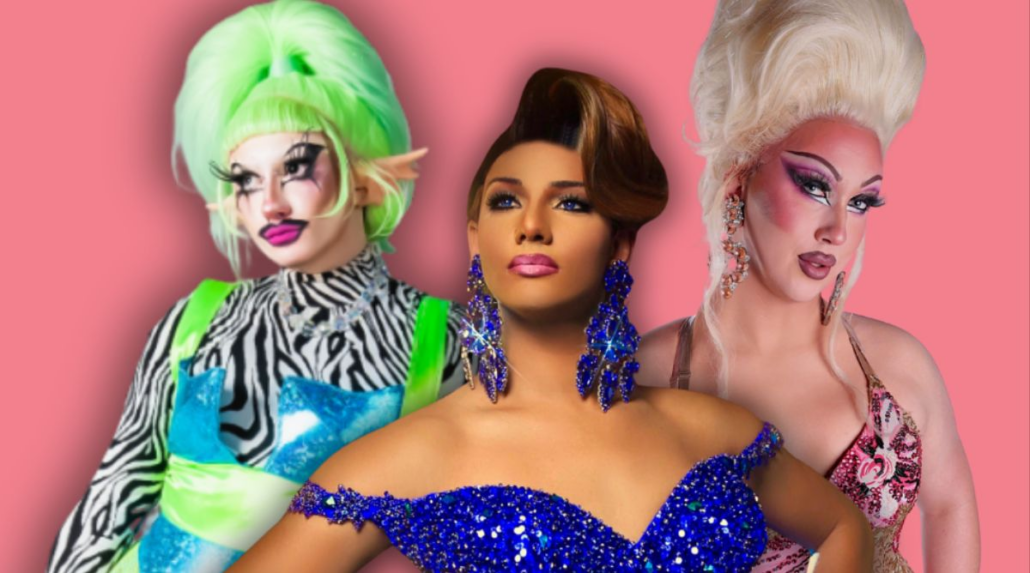
From Appalachia to Western Kentucky, Drag Artists Are Building Queer Community Across the Commonwealth Drag artists from Ashland to Bowling Green share their stories of performance, community, and resilience across Kentucky.


From the hills of Appalachia to the bustling bars of Louisville and Lexington, out to western Kentucky’s rural areas, drag artists in Kentucky have unique experiences and stories to tell.
These artists are living embodiments of how different drag can be in the commonwealth, but also how this art is found across it. Recently, these drag performers shared their tales, ideas, dreams, and connection to the drag community statewide with Queer Kentucky.
Eastern Kentucky
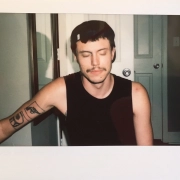
“Everyone has a real care and concern for each other. Someone could hate someone’s guts, but they’ll still make sure you’re fed and housed,” Mars, a drag performer from Ashland in Eastern Kentucky, says.
Mars and Dorian Slay, another local performer, say they have collectively faced some issues with bringing drag to Ashland.
Mars said someone connected to the city once complained about a drag show at a local restaurant, and it got a “zoning violation” for being an “adult event.”
The far-right social media account Libs of TikTok then went after the event. Mars said some performers were sent hateful messages, and sometimes death threats.
Although drag performers do receive some negative pushback from the Kentucky public, Dorian says the good outweighs the bad.
“Honestly, the amount of appreciation and love that I’ve experienced here in eastern Kentucky is way greater than the amount of hate,” Dorian says.
Drag artists are performers, but that’s not all there is to drag. Many of these artists participate in local and national activism in a variety of ways.
Both Mars and Dorian have worked with Advocates for Appalachia, an organization that raises money for charities, hosts food drives, and advocates for people in need by taking part in strategy meetings to address local issues. The organization promotes community with a variety of events, such as a book club or their bi-monthly “Yap Sesh” which gives community members a space to vent and feel less alone.
Mars and Dorian said it’s part of how they give back to a community that shows up for their performances and the queer community in general. Despite government pushback, people always turn out in big crowds for their shows in Ashland, Dorian said.
Mars says he has seen his drag have an impact on drag culture in eastern Kentucky, even though he is a trans man who performs in feminine drag.
“The most important thing to me,” he told Queer Kentucky, “is I have a lot of trans men or transmasculine come up to me and say that watching a trans man do feminine drag so confidently has helped them work through… this expectation that we are supposed to be masculine all the time.”
Central Kentucky
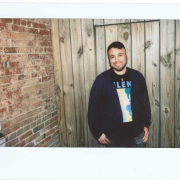
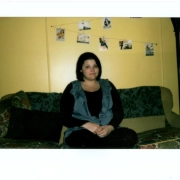
In central Kentucky, artists like Benita Bloom, Braya Grey, Koko Taylor, Jen Erocity, Gemini Jewels, and Corabelle Bundy Jolie come from various backgrounds, but they’ve found a home performing in the central Kentucky drag scene.
The artists in this area say there is a freedom to express themselves more openly and with less fear, especially in cities like Lexington and Louisville.
“I think what makes drag special in central Kentucky is the connection that you feel when you enter a drag show,” Gemini Jewels said.
This story exists because of readers like you. Give $5 a month to keep Queer Kentucky free.
Jen, a Louisville artist, says Louisville is special because there is diversity throughout the city’s drag scene. She says she likes to perform in some of the lesser-known queer spaces in the city, such as Camp Spaceman, Portal and Kaiju.
“I just feel happier with my performance when it’s a more intimate venue,” Jen says.
Corabelle Bundy Jolie, who resides in Lexington, says she enjoys performing at the more obscure locales as well. She says she particularly loves small-town pride festivals and performing at brunches in Frankfort.
“Why can’t the queer community have their own space in some of these little cities?” she asks, acknowledging that it can be difficult for queer people in rural areas to have access to LGBT+ experiences.
In September, Corabelle is performing at Pikeville Pride this year as Ms. Pikeville Pride. She says she’s excited to share her drag with people in a more rural area.
Benita Bloom-Cox, a nonbinary drag artist, says that while central Kentucky is special and diverse, there are aspects of the drag scene that have potential for growth.
They perform as a “bearded queen”, which has occasionally resulted in not getting booked for certain events, they say.
But that hasn’t stopped Benita from expressing their true colors. Instead, those experiences have driven them to show up for those who are not always given the spotlight, they explain.
“It has been great to be able to stand on those stages and represent people you normally don’t see on stage,” they say. “You don’t see nonbinary people out here.”
Artist Braya Grey says her favorite place to perform in Lexington is the Bar Complex, where she is part of the Johnny’s Angels cast.
“I feel very lucky to have grown up in Lexington,” Braya says. “Old-fashioned drag queens here… have taken me under their wing and have helped me grow.”
Braya says she loves Lexington’s queer community because of its diversity.
“It’s few and far between that you are able to perform with so many different layers of people,” she says.
It’s that acceptance of difference that inspired Koko Taylor, a cisgender, straight queen.
“It’s really lovely to be around people that you can be involved with, share life stories with, and laugh at each other,” she says.
Western Kentucky
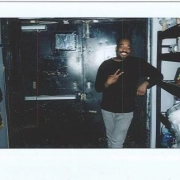
For those in Western Kentucky, they wear their Kentucky roots with drag pride. For example, queens Gorgina George and Venus Knight share a love for the Bowling Green community.
“Everyone always says, ‘you’re bigger than Bowling Green,’” Venus Knight tells Queer Kentucky. “Bowling Green has always been my home, and I love Bowling Green. Why not live in a place that you love, and then travel to all the places that you enjoy?”
Venus says the community in Bowling Green is special in the way they show up for each other.
“Bowling Green is my kingdom, and I feel that my supporters, my knights as I call them, have been the best that I’ve ever experienced, and they motivate me in a way that uplifts my heart,” Venus says.
She says she also tries to show up for them, including several years ago when she helped raise money for tornado victims affected by the 2021 storms.
Gorgina, who often uses it/its pronouns as part of its drag persona’s backstory about coming to Earth from another planet, says it also feels welcomed in and connected to the Bowling Green community.
“The Bowling Green scene is very interesting in the sense that they want vulnerability from you,” Gorgina says.
Onwards
Across Kentucky, drag artists are blossoming and are also looking to help the next generation. For those thinking about drag?
“Just do it!” Corabelle says.
These artists emphasized the importance of being open to advice from fellow performers, but they also said it’s equally important to remain authentic.
Drag is forever evolving, and each of these performers says they hope the scene begins to embrace diversity more, and that artists show up for each other despite the sometimes competitive nature of drag.
“It’s on us to protect each other,” Braya says,”…[to] build a community that works for each other, for us.”
Keep reading
 Rural Appalachian LGBTQ+ students shouldn’t have to choose between opportunity and belonging
 JustFundKY to host first Obsidian Ball, a masquerade gala in Lexington
 AVOL Kentucky Is Adding Injectable PrEP. One Shot Can Replace Two Months of Pills.
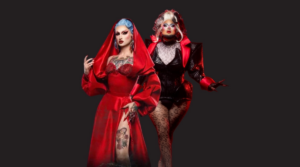 ‘They Can’t Legislate Community’: Henderson KY Pride’s Haunted Haus of Drag Returns Oct. 23
 Kentucky Black Pride Turns 10 in the Park That Sheltered Queer Lexington