Beyond the Bar: How Cincinnati/NKY Queer Spaces Are Evolving


In an online discussion that recently came up among members of the local queer community in Cincinnati there was one question that stood out: “Why are all of the queer spaces disappearing?”
In recent years, many LGBTQ+ bars have shuttered due to rising costs of rent and, in some cases, a decrease in patrons.
Notably in Cincinnati, we’ve lost a few bars over the past few years, but there are still more than a dozen bars that identify as queer and/or queer-friendly. While the number of actual queer-owned establishments has lessened over the years, what constitutes a queer-friendly space is evolving — both taking on the roles of serving the community in material ways, and creating spaces of joy and communion.
In some ways, what’s perplexing is the limiting definition of queer spaces to just bars as the glue that binds the community. Today, the breadth of queer spaces includes sports leagues, queer choruses and sober bars, and they provide home spaces for other organizations doing mutual aid and organizing work.
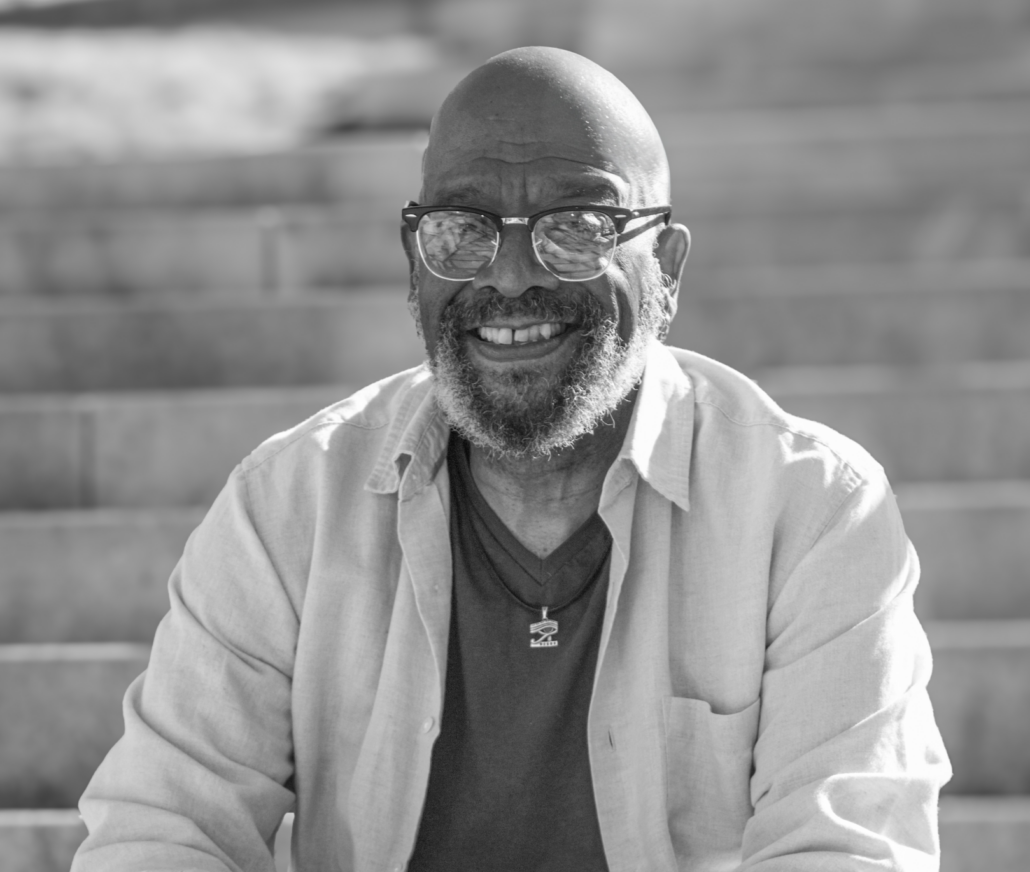
When I first moved to Cincinnati in the spring of 1975, bars and a few churches were some of the only places we had to congregate, socialize and strategize. Organizations and clubs would begin appearing a few years later, such as the Cincinnati Bowling League in 1980 and Stonewall Cincinnati in 1982. The bars were instrumental in helping build those and other organizations by providing meeting space and resources for fundraising. They did help to lay the foundations for many of the activities we enjoy today. Queer life started to show itself more outside of bar spaces. In the early 80’s, as it became less dangerous to be out, more and more organizations began to pop up around the city. Social clubs and political organizations became a large part of the queer landscape, and that trend continues today. The organizations give people more options to socialize and connect with other queers and expand the definition of community.
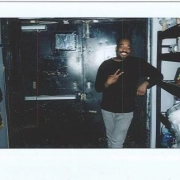
According to local author, Covington School Board member and business consultant, Kareem Simpson, a black queer man, this is a natural process and necessary for the community to grow and for businesses to survive.
Kareem Simpson, Covington School Board member and business consultant, and a Black queer man. Photo courtesy: Kareem Simpson
“Community landscapes have expanded so the community looks different. There are about the same number of bars, but now there are more options in addition to bars,” he said.
“Some bars have changed their programming to stay current and attract more customers, such as Bloom providing a space for BIPOC drag performers and their followers. Others in the community have created spaces that feel more safe to marginalized community members, which in addition to younger people consuming less alcohol, can explain why bars are less busy. People want to feel safe, seen and included so they seek out spaces that provide that element,” Simpson said.
This story exists because of readers like you. Give $5 a month to keep Queer Kentucky free.
And Joshua Petty-Kayes, member of the newly created Cincinnati LGBTQ City Council Commission, a founder of Treehouse Cincinnati and an accessibility advocate emphasizes that community members want to go to spaces that are accessible. And accessibility isn’t just limited to physical access.
“Accessibility barriers can be based on gender identities, racial as well as physical. People want to be in spaces that feel welcoming and reflect their reality, aka being around others who look like them and share similar experiences. TreeHouse was created to meet that need and provide an alternative community space,” Petty-Kayes explained.
TreeHouse Cincinnati, according to their vision statement, is a resource space that uplifts the programming of the LGBTQ+ Community to promote collaboration, diversity, and intersectionality. Petty-Kayes described providing space for community organizations such as PFLAG, Black Power Initiative, Cincinnati Black Pride and Cincinnati Prime Timers. There’s also a plan to create a library of books being banned by the current federal administration.
Transform Cincy is another organization that not only provides an alternative to bar spaces. It addresses the growing need for affirming spaces and resources for transgender, nonbinary and gender non-conforming youth and young adults. Co-founded in October 2019 by Tristan Vaught and Nancy Dawson, what began as a free clothing and accessory program has grown into a thriving LGBTQ+ community center serving individuals and families throughout Greater Cincinnati.
Transform Cincy, Vaught said, serves the community through their CARES model: Community Center, Advocacy, Resources, Education, and Support.
“We continue to provide free, curated wardrobes for transgender and gender-diverse youth and young adults while also offering support groups, legal clinics, social and educational programming, community meals, resource navigation, and opportunities for connection that foster belonging, resilience, and hope,” Vaught said.
Transform Cincy also holds an annual Trans Pride Adult Prom, their signature fundraising event, bringing together LGBTQ+ community members and allies to celebrate while supporting the organization’s life-changing work.
And queer organizations here don’t work in silos. Transform Cincy, for example, partners with organizations including NAMI Southwest Ohio, Beech Acres Parenting Center, Community Shares of Greater Cincinnati, Equality Ohio, and many other community partners to provide professional, affirming services.
As we witness the rollbacks of our rights and freedoms, expanding the way we view and define Cincinnati LGBTQ+ spaces to be more inclusive of BIPOC and marginalized communities helps to ensure we have safe places to gather, be in community, and celebrate our existence.
Keep reading
 Roebling Bridge protester arrested in court on felony riot charge
 Boone County KY Pride Festival Returns During LGBTQ+ History Month
 Smoke & Queers: How a Queer Burlesque Troupe Built a Stage for Everyone Else
 S.G. Goodman Brings Her Kentucky Tour Home This Week
 WAVE FoundationWAVE Foundation to Host 20th Annual ‘Make WAVEs’ Gala at Newport Aquarium