Let’s discuss the oversexualization of an Appalachian cryptid: Mothman


Appalachia has always been a source of intrigue, pride, and alternatively, fear, for Kentuckians. The history in the Appalachian region is rich, filled with historical accounts and stories about cryptids and mythic beings within the mountains. Appalachia is an important source of culture for all Kentuckians, making it intriguing to look at this history through the lens of queer individuals.
Mothman, a well-known Appalachian cryptid, is a great example of this intersectionality between queer identities and Appalachian culture. In rural areas like Eastern Kentucky, Queer people have been called many things: groomers, predators, evil, etc. Queer culture is reduced to being “all about” sex, and deemed perverted. While sexuality is an important aspect of queer culture, there are other characteristics that are overlooked and ignored.
Historically, queer people have been outcast, seen in a negative light, and mistreated by overarching society. Villains in media are often portrayed with queer stereotypes or heterosexual ideas surrounding queer identities, such as a hypersexualization of the character. For example, Ursula, the villain in Disney’s “The Little Mermaid,” is written based off of the drag queen Divine. While Ursula has been reclaimed by many in the queer community, her original portrayal in the animated Disney film painted drag queens in a negative light. Ursula is written as predatory, teaching Ariel how to use her body to get a man in exchange for her ability to speak. This portrayal indicates the common societal stories told about queer people.
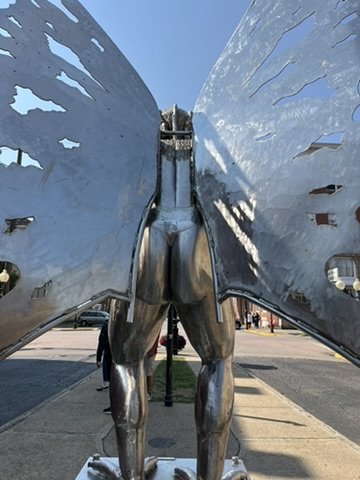
photo by Richie Goff
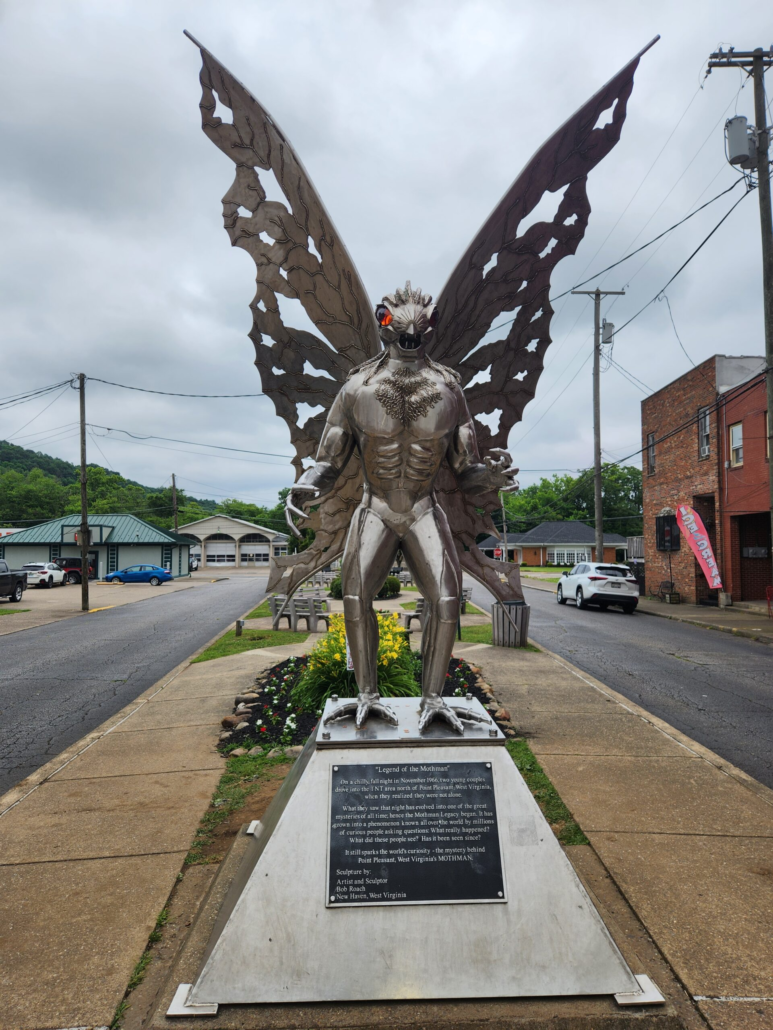
The way characters are displayed to viewers tells a story all on its own. The famous Mothman Statue in Point Pleasant, West Virginia depicts the legendary creature as an incredibly tall, sculpted creature with hyper-masculine features. His torso is blanketed by chiseled abs, and his backside is adorned with a pair of plump buttocks. This depiction of mothman banks on traditional views of masculinity. Even in a character of folklore, his existence is limited to binary ideas of what a “man should look like.”
Despite his overly masculine characteristics, it’s popular for tourists to take sexualized photos with the Mothman Statue, such as sliding money or credit cards in the crack of his butt. Once a feared creature of the night, he is now treated as an object of sexual innuendo.
While the fear of LGBTQ+ persons is based in hatred and misunderstanding, there is a rhetoric of fear surrounding queer culture and identities. Queer folks are often a scapegoat for cultural or societal issues. Currently, many politicians and political parties are blaming queer people for sexual violence or grooming, particularly against women. These accusations are leading to reduced access to healthcare for queer people with actions like defunding HIV research, and increased rates of acts of violence against queer people.
Much of this Anti-LGBTQ+ legislation is due to the villainization of queer individuals seen every day by political figures, certain media pieces, and religious groups. Accusations surrounding queer culture are that of being sexually predatory, despite this idea of sexualization stemming from heterosexual ideologies surrounding queer people. We can see this in the arguments that “drag queens should not be allowed around children,” despite drag being a multi-faceted art form. Drag performances are not only or always sexual—they can also be comedic, artistic, transformative, and inspiring.
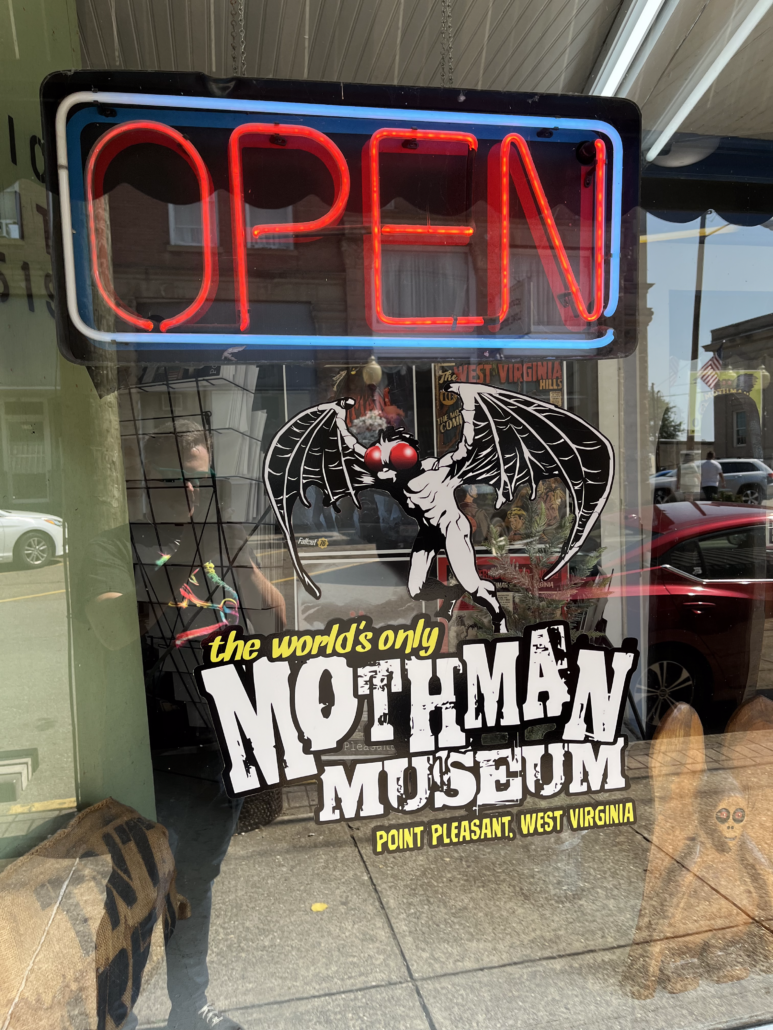
The Mothman Museum. Photo by Richie Goff
This intersects with the treatment of Mothman as a demonized piece of rural culture, which can be relatable for queer individuals. Some see him as the “bringer of the apocalypse” leading to the objectification of the statue of his body. This shows the common mistreatment of misunderstood or feared creatures.
Queer people, depicted by right-wing ideologies as “predators,” have embraced this cryptid. A writer on Shapeshifters, a company dedicated to providing inclusive undergarments and other LGBTQ+ items, shared their idea of Mothman’s relatability to queerness.
“There’s a certain line the right wing in this country likes to use against The Gays, one I’ve heard since I was a small child. It goes: queer people are threatening our way of life. Queer people are the pebbles that start the avalanche of apocalypse, the collapse of civilization as we know it,” they said, relating their experience to the same rhetoric that surrounds Mothman. “…I can walk past a line of protesters at Planned Parenthood and see the hostility rise up, the anger and revulsion and fear…I think something in them knows that I’m just one of 2.6 million transgender people out here… casually being a harbinger of their doom. Next time they come to Brattleboro, I ought to greet them with red glasses and a twelve-foot wingspan.”
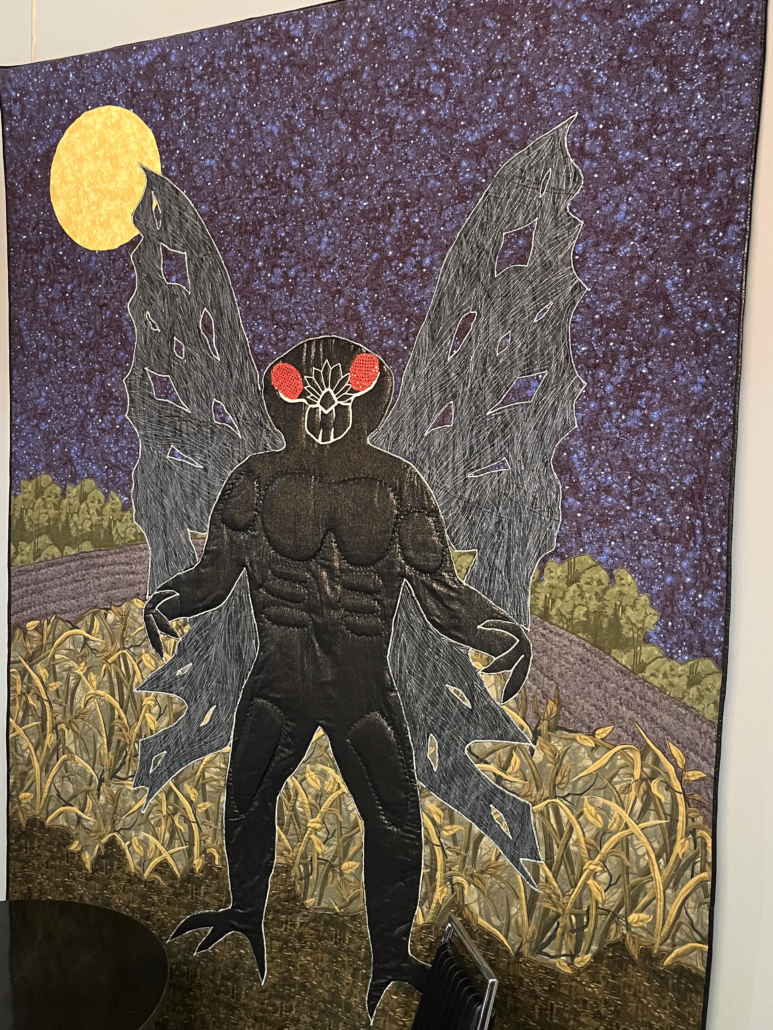
Mothman art at the Mothman Museum. Photo by Richie Goff
Mothman has been claimed as a symbol of queerness for rural LGBTQ+ people, and this has been accelerated by the Internet. John Paul Brammer, a writer at Buzzfeed, wrote about his experience relating queerness to mothman and other villainized creatures. “While in a pit of my listless despair, I came across an odd YouTube video about a creature that had terrorized the small town of Point Pleasant, West Virginia, in the ’60s. It was in that moment that my obsession with the Mothman… was born,” Brammer said, “Where I’m from, a small town in the middle of nowhere, the gay man was the bogeyman… constantly waiting to prey upon the hapless straights… salivating at the prospect of converting them to the gay dark side with his bite.” Brammer was able to find something to relate to in the mothman legends, along with many other queer folks, through the internet.
In online shops, at pride festivals around the state, and at other small queer businesses, a large quantity of Mothman memorabilia can be found. He is depicted on pride flags, in jewelry, as plushies, and so much more. As a misunderstood, mistreated creature of the night, Mothman has found his place in the queer community.