
Anti-Trans Legislation: A Time of Uncertainty for Queer People in the America


This story is part of Queer Kentucky’s digital issue surrounding the trans youth experience in the Bluegrass state, featuring personal essays to educational information. Read the full issue here.
While 2025 is only halfway over, it has already broken the record for anti-trans legislation in the US. A second Trump administration, and annual record breaking numbers of anti-LGBTQ+ legislation are threatening years of legislative progress. This year, more than 940 anti-trans bills have been proposed in legislatures in nearly every state so far, according to the Trans Legislation Tracker.
Several anti-trans and anti-LGBTQ+ legislation trackers are in circulation, and all have different definitions of what is considered to be anti-trans or anti-LGBTQ+. The Trans Legislation Tracker, which this article references, tracks legislation that aims to block trans people’s access to education, healthcare, legal recognition, and to exist in the public sphere without fear of discrimination or harassment.
The highest number of bills this year introduced surround education, with more than 250 legislative acts that have been filed. These bills focus on denying students the use of preferred names and pronouns, forcing students out of the closet, and banning education on gender identity in schools. Healthcare is another target, with 194 bills under review. These work to limit or deny gender-affirming care for minors and adults.
Texas saw the highest number of anti-trans bills so far this year, with a total of 130 bills filed — nearly double that of the second-highest state, Missouri. One of these bills in Texas, which was passed by the House, excludes transgender people from the state records. House Bill 229, labeled “Women’s Bill of Rights,” explicitly defines gender as the sex assigned at birth based on reproductive organs. Only one amendment submitted by democrats was accepted, which clarifies how intersex individuals fit into these categories.
Kentucky’s legislature considered 18 anti-trans bills, according to the Trans Legislation Tracker, during its 2025 legislative session, which ended in late March.
Transgender and gender non-conforming people can no longer use state or federal programs like Medicaid to cover gender-affirming care. Legislation filed to remove strides made by LGBTQ+ activists were bills like HB154, which would prevent healthcare providers from accepting payment for gender-affirming care from state or federal programs like Medicaid. For transgender Kentuckians, this poses a major financial problem, as Kentucky is often listed in the top 10 of most impoverished states, with about 1 in 6 Kentuckians living in poverty. Cutting access to government-assisted insurance for gender-affirming care is a threat to its accessibility. A different bill passed into law blocks incarcerated individuals from accessing such care.
Another major legislative decision in Kentucky was a bill that reversed Gov. Andy Beshear’s executive order, which banned conversion therapy in the state. This bill went as far as to block him from attempting to ban it again for the remainder of his time in office.
While the record-breaking number of filed anti-trans legislation is alarming, only 12.4% has become law thus far. The majority of these attempted bills don’t make it to law. That being said, the 12.4% that have passed have had devastating consequences for the trans community, limiting accessibility to education and healthcare.
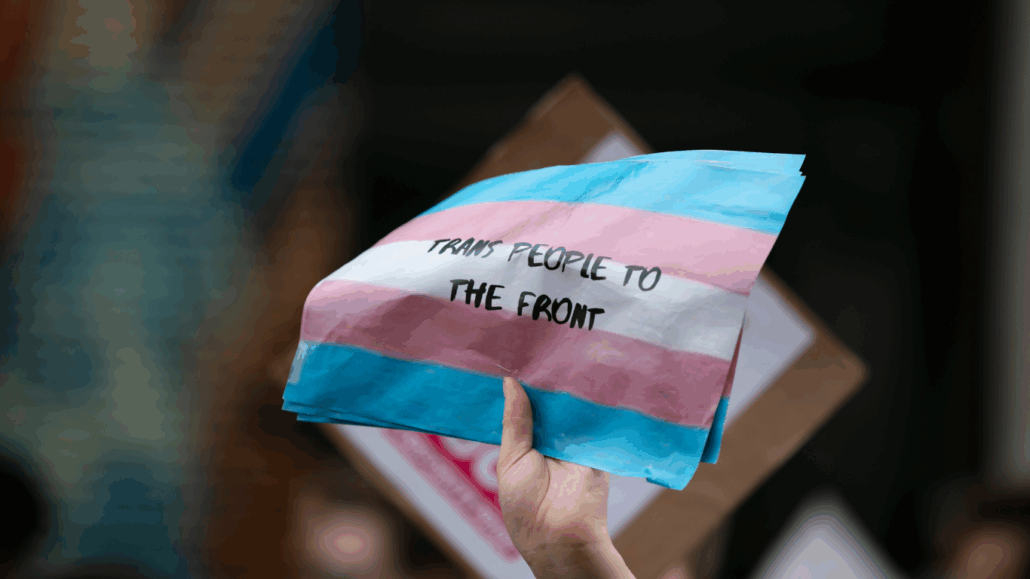
The influx of regressive legislation has caused a culture of fear and unrest in the hearts of the transgender community. Hormone replacement therapy and other forms of gender-affirming care have been said to save the lives of many, for both adults and transgender youth. Protests are occurring regularly around the United States to stand up for the rights of transgender people nationwide, such as the “Hands off!” protests. Many people are pursuing legal action to combat anti-trans legislation. Checking in on trans friends, neighbors, and family is becoming more crucial, as well as participating in protests and communicating with representatives.