Filmmakers seek to uncover life, murder of Covington politician Sandy Cohen in new documentary


Growing up, filmmaker Louie Meisner often heard his father talk about how he loved spending time with his friend Harold “Sandy” Cohen, but the only thing that he really knew about Cohen was that he was the victim of a sensationalized murder. Now, 40 years later, Meisner and another creative, Paul Nocchi, are working to uncover more of who Cohen was and share his story with the world through a new documentary.
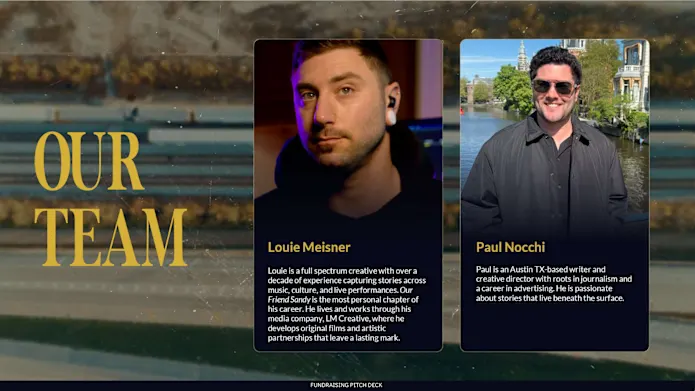
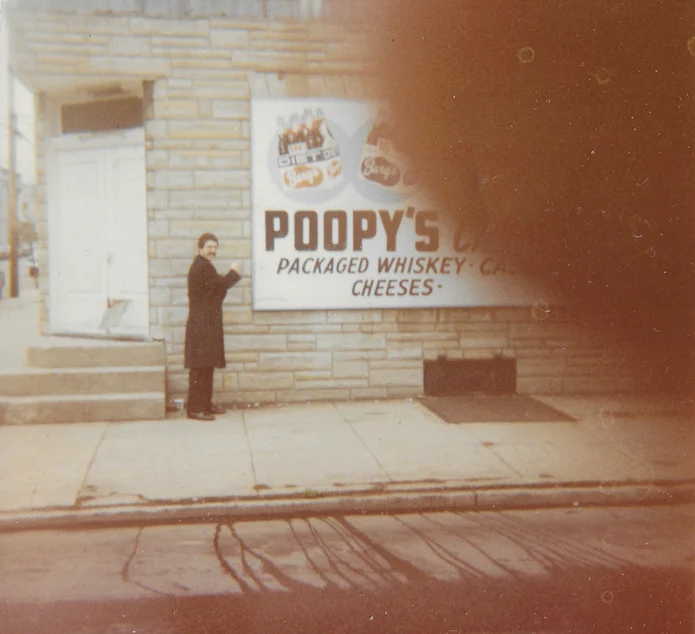
provided by Louis Meisner.
“Once I got into my adulthood, I started asking more questions, and, you know, after I kind of found out the basics of what happened to him, I decided this is a tragedy, but also a relatively interesting story,” Meisner said.
Meisner began researching the murder in 2020 after his curiosity got the best of him, but he sat on the idea of creating a documentary now entitled “Our Friend Sandy,” for years. Starting in November of 2024, he stepped up funding and production efforts fearing that many of the people who he needed to interview for the documentary may not live much longer as they are now in their 70s and 80s.
“If I want to tell this story in any capacity, I should probably start now,” he said. “So from that moment, I sat down, filmed an interview with my father, and he kind of shared all that he experienced and what happened, and that’s really what started everything.”
Cohen, an alleged closeted gay man from Mississippi, moved to Covington in 1978 and became a prominent businessman and politician. He owned a printing shop and was elected as a city commissioner. When Cohen went missing for five days in July 1986, Meisner’s dad was the first person to find his body which was bludgeoned, decomposed, and discarded underneath an overturned couch by the railroad track.
Examiners found 16 fractures in his skull and his remains were found a mile down the road from what was left of his scorched silver Peugeot. The two men who committed the crime, Gregory Moore and James Messmer, were charged and jailed. However, questions remain about how well they knew Sandy and what their motives were.
As news of Cohen’s death spread, Meisner said that rumors swirled immediately that his death was the result of deviant sexual behavior and possible homosexual activity with his murderers. He also speculates that although there was a conviction for Cohen’s murder, Cincinnati police closed the case without getting to the motive leaving questions unanswered, citing Cohen’s alleged queerness and what he describes as a lack of concern for LGBTQ+ people at the time.
“There was a crime, there were legal proceedings, and then there was a conviction. So the case on paper is solved, but to me, it’s unresolved,” Meisner said. “After the convictions, essentially, this has really never been spoken of since then. Friends and family remember him and carry his love and carry him with them, but there’s been a silence since then.”
Meisner and his team are seeking to interview anyone who knew Sandy, including one of his convicted murderers to further investigate the crime. He also hopes that interviews among Cohen’s loved ones will peel back the layers of Cohen’s life and give him the true narrative that Meisner says he deserves.
Preserving Cohen’s history through film will cost Meiser and his team a pretty penny. They are seeking $60,000 through Indiegogo and, as of this article’s publication, have raised $6,738. Their stretch goal is $100,000 and the campaign will end the first week of September.
After this first round of funding, the team will continue their investigation and community outreach while beginning production on their first short piece in the fall. Meisner said he sees this documentary as a multi-part series.
“I want people to give whatever they can, and if you can’t give, all we need is your support, and that’s it,” Meisner said. “The funding, again, really helps with travel costs, production costs and stuff like that. If we don’t meet our goal, you know that’s okay. This is still happening, and there will be other opportunities to donate.”
He said he has received broad public support and has come to realize how important the story is to the community, calling it a largely community-driven project. Archiving queer culture during a time when LGBTQ+ history is being erased, specifically including trans erasure from the Stonewall National Monument, is of the utmost importance to Meisner and his team.
“History isn’t just what happened long ago—it’s what happened yesterday and what will happen tomorrow,” he said. “And you know when we lose touch with history, and specifically, if we don’t archive things, if we don’t continue to talk about them, they are forgotten. And I think that’s a damn shame, and I think it’s a disservice to society as a whole.”
Information about the documentary, its fundraising campaign, and production updates is available at ourfriendsandy.com. The filmmakers are also encouraging anyone with knowledge about Sandy Cohen to reach out at [email protected].