For Us, By Us, Because of Us: Beyond the Looking Glass of Black Drag Queens in Kentucky


By Omni
This story is part of Queer Kentucky’s digital issue surrounding the trans youth experience in the Bluegrass state, featuring personal essays to educational information. Read the full issue here.
In the South, where queerness still feels like rebellion, and Blackness is often policed and pilfered instead of praised, drag expands beyond entertainment. It’s therapy. Protest. Joy made visible.
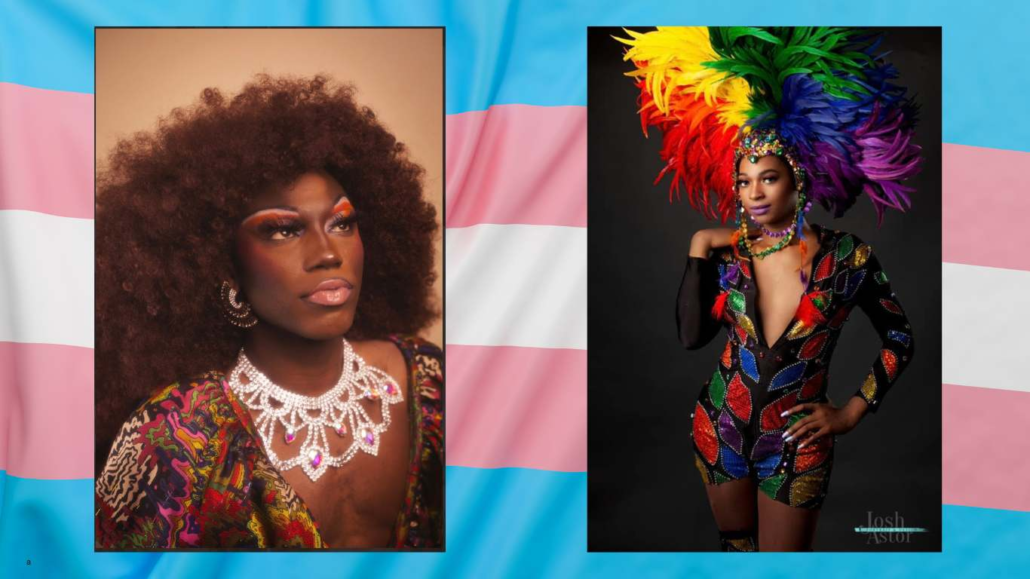
For Black drag artists across the state , the stage is both refuge and battlefield. Through lashes, lyrics, and legacy, these performers carve out spaces where celebration and survival meet. I sat with two queens who embody that power: Olympia Gold and Shalyric Monae. Both spoke candidly about the pain and pride of being Black in drag, and what it takes to keep showing up, not just for applause, but for themselves.
Olympia Gold: Fashion as Rebellion, Femininity as Power
Olympia Gold found drag through fabric and fire. “I got into drag through my passion and love for fashion and embracing my femininity,” she says. “Seeing Black/POC queens and kings struttin’ at fashion shows, like Betsy Johnson’s, gave me so much confidence.”
Her inspirations are exclusive to queer icons and high-fashion royalty. “Josephine Baker, Diana Ross, Laverne Cox. These icons truly set a fire in my little gay Black fashionista heart,” she says. Drag legends like Bebe Zahara Benet and Monét X Change, plus named local mentors/supporters/drag icons such as Rex Davis, Diana Rae, Chyna Versace, Uhstel H. Valentine, Monika Monae, Leah Halston, and Kassandra Hilton, nurtured her journey. She asks, “If you’re not having fun while doing drag, are you really doing drag?”
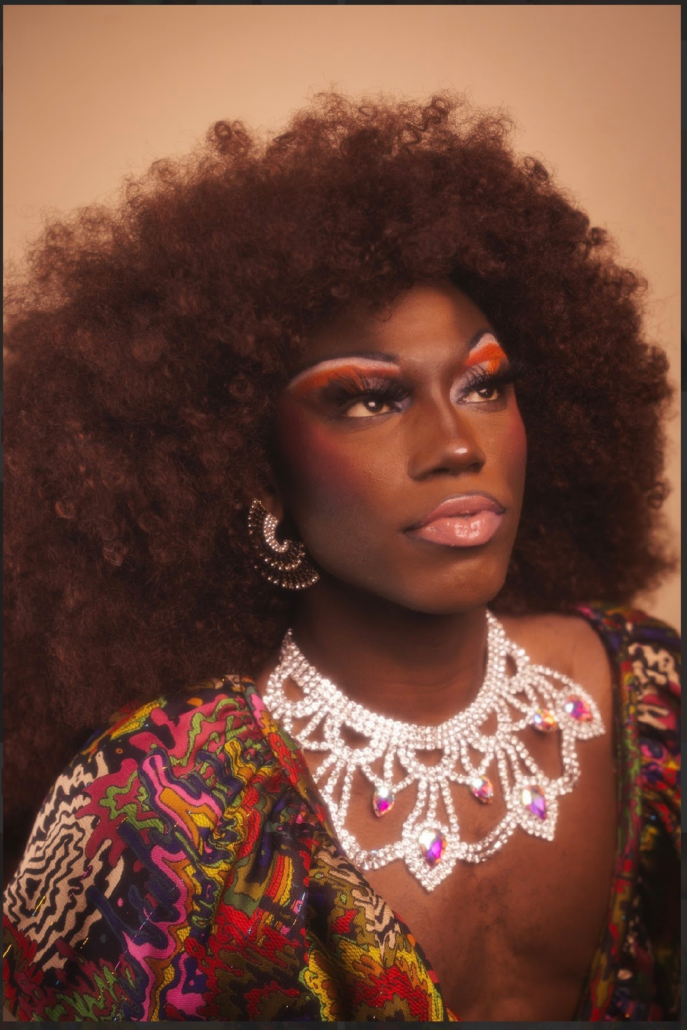
photo by Weirdhaus Photography
Joy doesn’t erase labor. “As a Black drag artist, you have to fight and earn your spot to be taken seriously,” she says. Still, she claims her place with pride and a deep love for spaces like the Louisville Pride Center. She says, “It’s one of the only places that made me feel truly safe and celebrated. They offer resources, workshops, drag shows, and welcome everyone, especially us.”
Olympia advises queens and kings to invest in themselves. “Physically, mentally, emotionally, financially… Get to know the real you and your drag. That’s how you survive,” she says.
Shalyric Monae: Evolution, Discernment, and the Power of Doing Drag for You
For Shalyric Monae, drag was survival disguised as performance. “I started with open stage nights,” she says. “Why? To be honest, it was to escape reality. And what motivated me? The gin,” she laughs.
Though she had no formal mentor, she had a community. “Deidra Hall, Salem Vytchtryells, Chyna Versace, and Karmen Kazzi supported me by giving me costumes.”
The obstacles she faced within the drag community shed a light on her truth, and the truth for many queer and trans POC in predominantly white spaces. She says her obstacles included, “Finding a drag family. Being misunderstood. Hatin’ ass bitches. Defamation of character by people who were protected by their privilege. Being encouraged to code-switch by potential mentors. Bullying, written off as ‘reading.’” Those hardships reshaped her purpose.
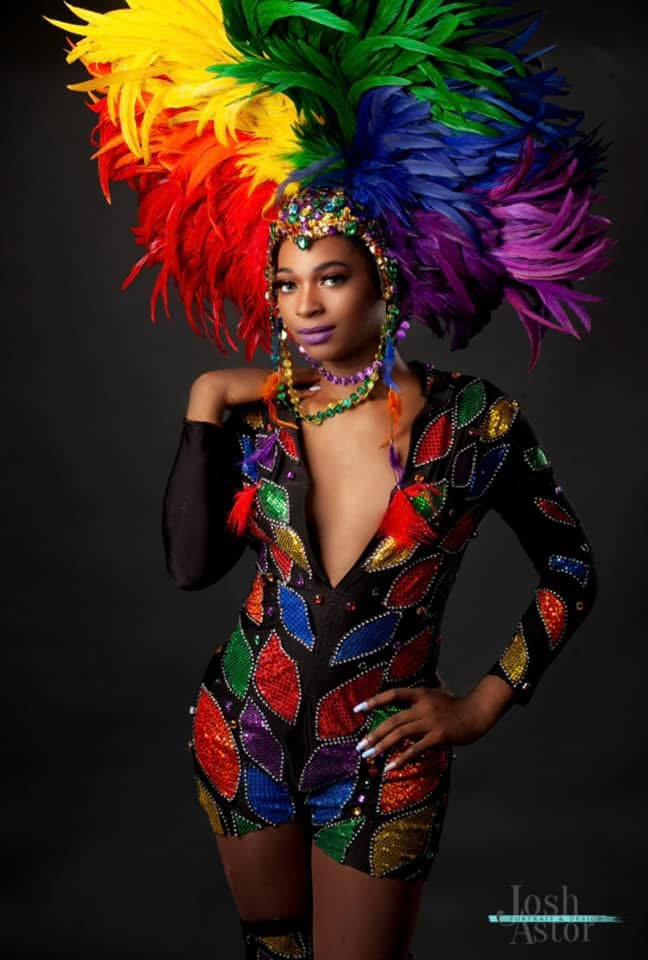
Photo by Shalyric Monae
“I don’t even count my tips anymore. I do it for me. For therapy. For fun,” she says. Her early career ended with a much-needed hiatus. With that pause, Monae proclaimed that success does not have to look like code-switching for Black queens in the South. It can look authentic, so don’t settle.
Just across the bridge in New Albany, Ind., Pride Bar became her sanctuary. “There is no competition between cast members, just real drag family vibes. It feels like old school drag, the true definition of drag in my opinion,” she says.
She gives some keen advice to BIPOC folks interested in drag by saying, “Go on YouTube. Do your research. Do drag for fun. You’ll teach yourself a lot.” When she was a drag baby, she wishes someone had told her not to …be completely vulnerable with everyone. Don’t mistake proximity for friendship or sisterhood.”
Legacy in Motion
Olympia and Shalyric come from different paths but share one truth: they are writing their own drag history. In a scene that often centers whiteness, Black drag artists build their stages, families, and futures.
Showing up as Black queens in Kentucky means resilience and joy. For every queen like Olympia, Shalyric, and Salem, a new generation learns what it means to take up space unapologetically. Black drag here isn’t just surviving. It’s thriving.
Where to Find These Queens:
Instagram: @olympiagoldd
- Find Olympia on cast at PLAY Dance Bar, every other Thursday at 9pm.
Facebook: Shalyric Monae
- Find Shalyric on cast at Pride Bar, every other Friday at 10pm.