Beyond the Youth Narrative: Three trans adults discuss life in their 40s


Youth are often at the forefront of conversations about transgender people. While a focus on youth is important, there are stories to be told by older trans folks as well. These stories offer experience, wisdom, guidance, and history that isn’t regularly given much of a platform. In conversation with three transgender folks in their forties, the following stories will underline the triumphs of those telling them, bring hope to transgender youth, and to other closeted trans folks.
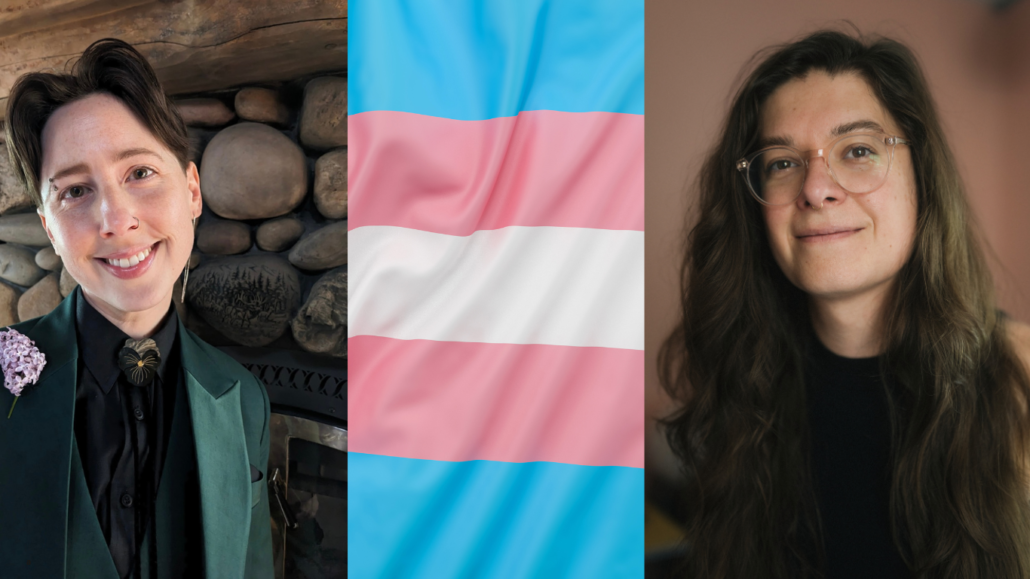
Jaye Witt (41, she/her), Joyce Barbour (40, she/they), and Rowen Green (40, they/them) are in their early 40s. As people who experienced childhood from the mid 1980s to the early 2000s, societal differences on the subject of transness, and queerness in general were prevalent. There wasn’t much exposure to being transgender, of which the concept has evolved greatly.
Witt, a Louisville native, didn’t hear the word “transgender” until 2008. That year, she realized she is transgender, after 24 years of no words to put to the feelings she had about herself. During childhood and adolescence, she said, “It seemed that the common perception of trans women is that it was a sexual kink that was taken to an extreme.”
While some still believe this, the idea of the meaning of transgender means is shifting, and there is much more awareness surrounding the struggle of transgender identities.
Barbour’s experience during her youth was similar. Growing up in Bardstown, a rural area of the state, exposure to queerness was limited, and they said, “Being queer was either seen as an evil, sinful thing or a joke. I didn’t meet my first queer person until I graduated high school, so it wasn’t until adulthood that I understood that queer folks did not fit into the myriad of stereotypes plastered on TV.”
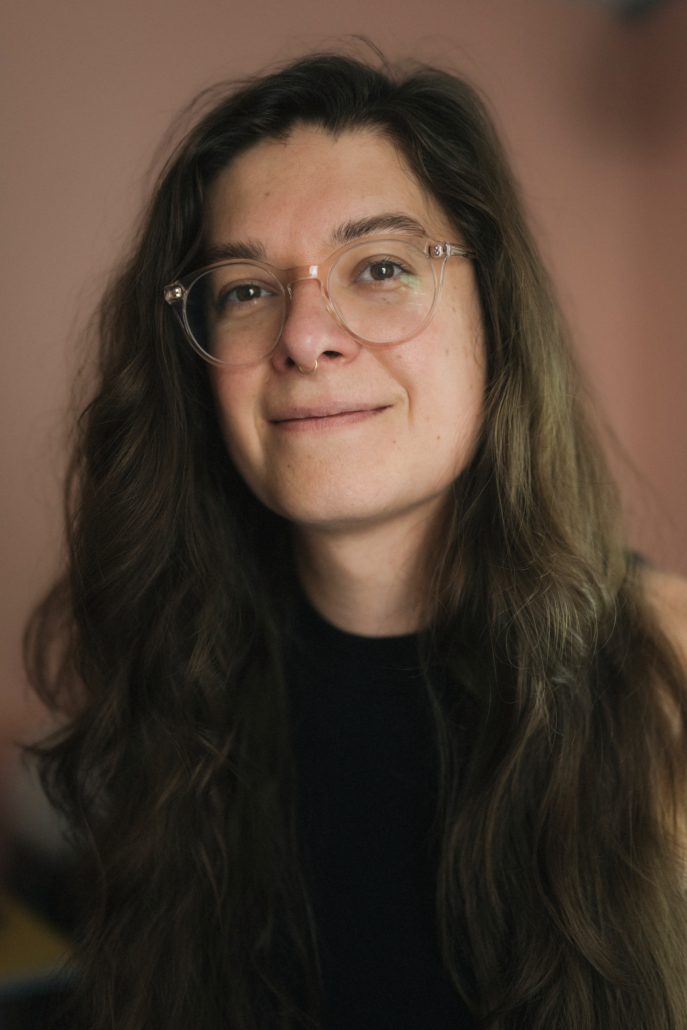
photo provided by Joyce Barbour.
In Green’s youth, they recall queerness being seen as objectionable, but differently than in 2025. They elaborated that while trans people were not largely accepted, they also did not notice them being used as the scapegoat for most political conversations, but instead as comedic relief. Now, though, they notice similarities to other historical events in the past of the U.S.
“Much like when conservatives realized they could mobilize untapped voter bases on the issue of abortion in the 70s, trans people are now being used as tools to motivate political action from a place of fear and move us further into fascism and increasing social control,” they said.
As times have changed and social connection has evolved with the internet, societal views of what “being transgender means” have changed too. Barbour didn’t come out to anyone as transgender until they were 30. She said that by the time she came out, “I had a few trans people in my life, and I learned that was an option… So it was thanks to those special folks and Tumblr that I got here.”
Barbour teaches after school art programs, and therefore interacts with many queer and trans youths. They shared that they’ve been uplifted by queer youth culture, saying, “I’ve witnessed many children coming out, proudly proclaiming who they are. I’ve watched them inform their classmates and me of the variety of labels that apply to them…I hear kids say that ‘oh yeah, my whole friend group is queer.’ Though this is true for me now, this was far from the truth of the social groups I had growing up.”
The rhetoric surrounding the LGBTQ+ community is shifting, in ways that are both progressive, and counterproductive. As Barbour discusses, there is a much wider lens cast on queer and trans folks these days, leading to a myriad of reactions among the masses.
All three of these individuals have faced obstacles internally and externally. None of them had a safe environment to come out to until adulthood. Witt discussed the difficulties of transitioning later in life.
“At this point, fully transitioning will have some pretty drastic consequences for my professional and personal circumstances. And, I have definitely encountered some mean people out in public, or people who will go out of their way to misgender me,” she said.
Witt shares her wisdom on this experience, saying, “Don’t wait to be who you are! I am so much happier than I’ve ever been now that I’m transitioning, but… I feel like I lost so many years trying to not be who I really am. So if you’re young and trans, be who you are, as long as you can do it safely…find a community of trans people and allies!”
Many of Barbour’s struggles are internal, struggling with anxiety and self-doubt. She expressed worries about being able to achieve her transition goals, but said that, “With the help from my therapist, I realized being trans could mean anything I wanted it to and this rid me of many of the reasons holding me back from transition…I’m rather lucky to have a great support system of friends who really showed up for me when I came out….Other than friends, resources I used were Queer Kentucky, Meridian Behavioral Health, and the Trans Futures peer support group. I also recommend the Kentucky Health Justice Network.”
Green faced issues with religious upbringing, and homophobia in their family history. They forced themself into an unhappy marriage with a man in order to conform. Finding queer community and mental health resources eventually led them to be true to themself.
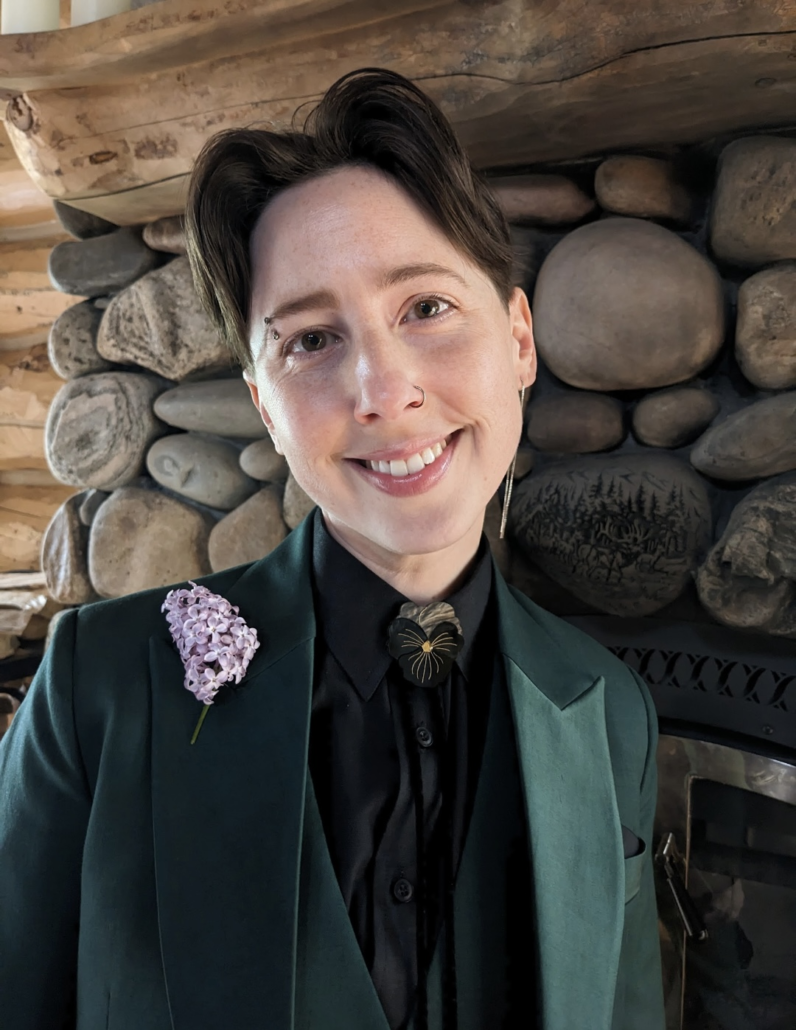
Photo provided by Rowen Green.
“My trans community is also a place of vital resources and support during this incredibly difficult and dangerous time,” they said. “We keep each other loved, fed, housed, and safe.”
Each of these people believe there is no “right way” to be trans. Being trans is about being true to one’s own identity, whatever that may mean. Green said, “You don’t owe anyone a particular performance of transness.” Community is an important piece of queer life and culture, which Barbour highlights, “Surround yourself with people that make you feel seen as you are. The right people will celebrate it!”