QUEER KENTUCKY | KENTUCKY'S ONLY LGBTQ+ NEWSROOM

Tag Archive for: general assembly

A person wearing a black Pride t-shirt reading "Let our trans kids live to become trans adults" at a community gathering in Kentucky

Anti-Trans Teacher Amendment Fails in Kentucky’s 2026 Legislative Session

FRANKFORT — As anticipated, a last-second attempt to keep transgender people from teaching in Kentucky has failed.

Kentucky lawmakers wrapped up the bulk of their 2026 legislative session late Wednesday night, going home without bringing up House Bill 759 — a previously uncontroversial bill around alternative teaching certifications that got a late floor amendment that sought to block trans people from teaching altogether. 

Wednesday night was the deadline for Kentucky’s Republican-dominated legislature to pass any bills that Democrat Gov. Andy Beshear may veto in order to have enough time to override him during the final two days of session later this month.

It is possible HB 759 can come up for a vote during those last two days, but the amendment is still expected to be withdrawn prior to a vote on the unchanged bill. If the amendment somehow gets through, Beshear is likely to veto it and lawmakers would not be able to override him.

With the amendment’s failure, 2026 marked the first legislative session in a few years without any new anti-LGBTQ+ laws in Kentucky. 

Kentucky lawmakers filed nearly a dozen pieces of legislation this year aimed at the LGBTQ+ community, including restricting health care access, blocking trans people from using restrooms tied to their gender identity in government buildings, and limiting drag shows and performers. Almost all of them did not move in the legislative process. 

Sen. Gex Williams, R-Verona, initially filed the anti-trans teacher bill in early March as Senate Bill 351. It sought to keep trans people from getting and keeping teaching certifications, requiring anyone reported as potentially being trans to undergo medical exams and to provide those results to state education officials in order to stay in the classroom. 

Health professionals would’ve also been required to use outdated psychological terms and criteria to diagnose those who are trans, potentially meaning labeling them as “mentally ill” despite modern health standards disagreeing with that assertion. 

SB 351 did not move in the legislative process, and Williams withdrew the bill last week. He quickly filed the same language as a floor amendment to HB 759 in hopes of passing it there. 

Filing an existing but failing bill as a floor amendment is a legislative maneuver called piggybacking, and it is against the Senate’s rules. Sources repeatedly confirmed to Queer Kentucky that the Senate planned on enforcing those rules and Williams would either withdraw the amendment or it would be ruled out of order. 

When lawmakers gaveled in Tuesday, they were quick to take HB 759 off of the consent calendar where it was scheduled for a quick and easy vote, but they never added the bill to the orders of the day so it could get a full floor vote and so the amendment could be formally axed. 

Other resources to stay informed:

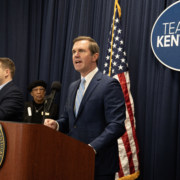
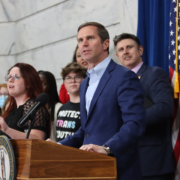
Gov. Andy Beshear speaks at a podium at the 2026 Fairness Rally in Kentucky.

Live Blog: Tracking the final days of Kentucky’s 2026 legislative session

As Kentucky’s 2026 legislative session winds down, Queer Kentucky will be keeping y’all updated throughout all of it. 

Lawmakers will meet Tuesday and Wednesday to pass any final legislation before the veto period begins Thursday — a two-week-ish period where Gov. Andy Beshear will be able to sort through all of the bills on his desk and decide what to do with them. 

Basically all of this year’s anti-LGBTQ+ legislation is dead, which means it can’t pass this session, but Frankfort can be sneaky, so we’ll still be watching. (Plus, they have a ton of important stuff to get through over the next two days, including the next two-year state budget.) 

This story will be regularly updated over the next few days with any important happenings or interesting tidbits, so bookmark it, check back frequently and share it with your friends so they can do the same. 

Keep an eye on Queer Kentucky’s social media pages for any major news, and feel free to contact lead politics writer Olivia Krauth at [email protected] with any questions or thoughts you have about bills or the legislative session. You can also give us your thoughts in our 2026 politics survey.

New posts will appear below this line, with the newest stuff being first. Be sure to scroll down to see any older content you may have missed. 

10:35 p.m. Wednesday — Winding down

We’re starting to wind down for the evening, and it looks like the Senate is officially NOT going to take up HB 759.

Anything can still happen, technically, but the Senate is currently taking a break and waiting on a few final things to come over to them from the House side. Typically, when they hit this phase of the session, the Senate is very uninterested in resurrecting legislation they could’ve passed by now.

The House is also taking a break. Everyone is actively taking breaks.

8:15 p.m. Wednesday — Dinner is (almost) done

The House is back and powering through legislation, but the Senate is still finishing up its dinner recess.

That big $800 million one-time spending package I mentioned? Turns out it is now $1.7 billion in spending across 300 projects. I’m still wading through what those projects are.

6:15 p.m. Wednesday — Slowing down, but not done

Things are starting to slow down a bit for dinner, but we’re still expecting a late night.

I’ve lost track of how many bills are in conference committee mode right now. A lot of contentious stuff (at least between lawmakers) is actively being decided behind closed doors.

5:10 p.m. Wednesday — Crunch time

We’ve got about seven hours until lawmakers need to shut things down for the veto period, and I can’t tell if things are starting to slow down or they’re about to speed up. Several big-deal bills are still up in the air.

After passing the budget bills, the Senate took a break for caucus meetings. They still haven’t done anything with HB 759, and they don’t look particularly poised to do so.

When they get back, they’ll need to deal with (or not, I guess) several major issues. The House just rejected their changes to this year’s big Medicaid bill, so they’ll need to either recede from those changes or push the debate on Medicaid into conference committee mode.

They’re also running out of time to handle housing reform, one of their priorities of session. The House threw several housing reform bills into one and passed it earlier today, and now the Senate needs to accept those changes or push this into conference committee mode, too.

Other things that are still a major question mark include what is included in House Bill 900 — the state’s $800 million one-time spending bill — and what they’ll do with the JCPS board.

Meanwhile, the House is debating the budget bills now.

4:10 p.m. Wednesday — Is that a budget I see?!

At long last, lawmakers Senate are sharing details about the next state budget. Technically, budgets, because they have separate bills to deal with different branches, but still.

The budget has been in the conference committee process for the last several days. This is when the House and Senate don’t like each other’s versions of a bill, so a group of them sit around and try to find a compromise. This process is pretty behind-the-scenes, so we’re actively learning what the final budgets look like and it may still be a bit before written copies of the final bills are online for public viewing.

The main budget is House Bill 500. Senate A&R Chair Sen. Chris McDaniel said several state agencies will see a reduction in funding over the next two years, but did not say specifically which ones.

Something important to note: Unlike with most bills, Beshear can veto just parts of budget bills. So, if he generally likes the budget, but doesn’t think a certain thing should get funding, then he can line-item veto it. The legislature, though, can still override him (and they almost always do).

1:50 p.m. Wednesday — Just chillin’ (day two)

Once again, greetings from Frankfort!

Yesterday was pretty stop-start-stop-start, with long periods of lawmakers breaking for caucus meetings mixed with lengthy sections of back-to-back bill votes. We’ve seen much of the same so far today.

The House passed a few interesting bills, including a revised bill to overhaul Kentucky State University — the state’s only public HBCU — and one that would let local school boards hire education service providers — groups that typically run charter schools, to varying levels of success — to oversee public schools.

The Senate has yet to act on HB 759.

10:15 a.m. Wednesday — Off to the races

Good morning, y’all! Welcome to the final day of Kentucky’s 2026 legislative session before the veto period! AKA one of the absolute busiest days in the entire legislative session. (And perfectly timed on April Fool’s Day.)

Reminder: They have until 11:59 p.m. tonight to pass anything they may need to override a Beshear veto of. They can still pass legislation during the final two days of session on April 14 and 15, but they wouldn’t be able to override Beshear if he says no.

The Senate just got started for the day, and the main thing we’re watching there is and has been HB 759 and its anti-trans teacher amendment. Last night, I talked with a source who said the bill and its amendment are dead, but I’ll still keep an eye on it just in case.

The Senate also needs to vote on House Bill 2, a sweeping Medicaid proposal. You can read about that bill here.

The House is slated to start at 11 a.m. I’m expecting some kind of JCPS-focused legislation to come out of that chamber today, including a bill that could shift power from the JCPS school board to its superintendent, change how many board members there are and where they represent, and create a financial advisory committee for the large district.

Oh, right, and we still haven’t seen a final written copy of the next two-year state budget, nor do we have any idea how the state wants to spend around $800 million in one-time spending.

6:25 p.m. Tuesday — Calling it an early night?

These last two days of session before the veto period typically include long days and even longer nights, but it looks like that might not be the case this time around.

The Senate adjourned for the day around 40 minutes ago, without touching HB 759 or its amendment again. (The House, meanwhile, is going on about hour four of being recessed.)

They’ll be back at 10 a.m. Wednesday. Remember: They have until 11:59 p.m. Wednesday night to pass anything remotely controversial to have a chance to override a likely Beshear veto during the final two days of session on April 14 and 15.

So, what could that mean for HB 759? They can’t touch it tonight, but if they want to pass the bill tomorrow, they’ll need to move it to the orders of the day, and then vote on it. That’s when the anti-trans teacher amendment would be withdrawn.

5 p.m. Tuesday — Bills, bills, bills

The House has been in recess for a bit now, and the Senate looks poised to join them shortly.

We’ve spent the last few hours powering through a ton of votes, including final passage for bills, agreeing with changes the other chamber made, and even a Senate override of a new Beshear veto on a bill protecting pesticide companies.

Bills on everything from child care access, to election tweaks, to the rights’ of protesters around ICE agents, have gotten votes this afternoon.

One thing that hasn’t: HB 759. Like I reported earlier, the bill was pulled from the consent calendar in the Senate shortly after noon. It hasn’t been assigned to the orders of the day, though, aka the spot it needs to be in order to get a full Senate vote. So, stay tuned on that.

3:20 p.m. Tuesday — Supreme Court “conversion therapy” ruling

Kentucky lawmakers undid a ban on “conversion therapy” for minors last legislative session, but they still had some reactions to Tuesday’s Supreme Court ruling to overturn similar bans in other states.

“Today, the Supreme Court of the United States has once again betrayed the LGBTQ+ Community, especially our vulnerable youth,” Rep. Lisa Willner, D-Louisville, said in a statement.

“As a licensed psychologist and the longtime sponsor of legislation to prohibit this discredited and deadly practice, I could not disagree more with this decision. 

“All young people in Kentucky deserve to be safe and to be their authentic selves.  As a mother and grandmother, I’m heartbroken. 

“State governments have a responsibility to protect children, not put them in harm’s way. Today’s SCOTUS decision prevents states from protecting against harmful practices that abuse children and can leave lasting scars,” she said. 

2:30 p.m. Tuesday — We’re just chillin’

Greetings from Frankfort!

We haven’t done a ton yet, mainly because the Senate has spent the last roughly two hours in caucus meetings — closed-door meetings with everyone in the party to get everyone in line, more or less.

Before they did that, though, the Senate pulled HB 759 from the consent calendar. This is a procedural step to allow the anti-trans teacher floor amendment to be withdrawn.

Meanwhile, the House has gotten through a lot, including giving a few bills around teacher misconduct final clearance. Those should head to Gov. Andy Beshear shortly.

11 a.m. Tuesday — What’s up with HB 759 and trans teachers?!

Lawmakers are set to gavel in at noon to formally kick off the day, but they’ve already had a pretty busy morning full of committee meetings to give some bills a quick vote.

One big thing I’ll be watching Tuesday: House Bill 759.

I wrote a whole post yesterday explaining exactly what is going on and fact-checking some other outlets who got it super wrong, but basically HB 759 has a last-second amendment to keep trans people from teaching. It is not expected to go anywhere, and the amendment’s sponsor is supposed to withdraw it before the bill itself gets a vote.

We don’t know exactly when that could happen, though, but I’ll be watching and I’ll update the live blog when it does.

Other resources to stay informed:

A person holds a Protect Trans Youth sign at the 2026 Fairness Rally in Kentucky.

Fact check: No, Kentucky is not about to quietly kick trans teachers out of the classroom

No, Kentucky is not set to quickly and quietly declare transgender people “mentally ill” this week. 

And no, Kentucky’s GOP-dominated legislature is also not about to silently kick trans people out of teaching in the last seconds of the 2026 legislative session.

Y’all, I am once again respectfully begging you to get your Kentucky politics news from reporters here in the Bluegrass State because I fear national and international news outlets have once again gotten things wrong. Like, really wrong. 

A Kentucky bill turned last-second floor amendment hoping to label trans people as unfit to teach, bar them from getting or keeping teaching licenses and forcing teachers suspected of being trans to undergo medical examinations to stay in the classroom is not expected to pass as Kentucky winds down its legislative session. 

Queer Kentucky knows this due to our knowledge of Kentucky’s legislative process, along with the backing of multiple sources who have been working in and around the bill/amendment. 

We’ve been covering LGBTQ+ bills and issues throughout Kentucky’s 2026 legislative session, so let us break down exactly what’s going on and why other outlets are getting it wrong. Brace yourselves: In order to fully and properly explain this, we may need to get a little wonky. 

Earlier this month, Sen. Gex Williams — a Republican from Northern Kentucky — filed Senate Bill 351. This bill aimed to keep trans people from being able to get and keep teaching licenses in Kentucky, effectively kicking them out of the classroom. 

The bill went nowhere. It didn’t even get a Senate committee assignment, which is the first step in the legislative process. It was not going to pass. 

Last week, Williams withdrew the bill, but then quickly refiled the same thing as a floor amendment to a different, previously super uncontroversial bill — House Bill 759. This was basically a last-ditch attempt at getting his bill through. 

A floor amendment does not just get automatically added to a bill. When a bill gets brought up for a vote on the House or Senate floor, any proposed floor amendments have to be individually voted on in order to be added to the bill. And then they vote on the bill itself. 

HB 759 was on this thing called the consent calendar — basically a batch of unproblematic bills that they lump together and vote on all at once to save time. This is where a lot of the inaccurate reporting went wrong. When a bill on the consent calendar gets a floor amendment, it automatically gets pulled from the consent calendar and gets treated like any other bill. The amendment doesn’t simply just get added to the bill without debate and slipped through (if that’s how this worked, we’d have a lot of issues). 

But Williams’ floor amendment also breaks the Senate’s rules around piggybacking. It is literally in their rulebook that you can’t just add a majority or entirety of an unsuccessful bill to a different bill as a floor amendment. 

Queer Kentucky has been told that because of this, Williams is expected to withdraw his amendment before the bill gets a vote. And if he doesn’t, the amendment is expected to be struck down because, again, it breaks the rules. 

But, past that, if something happens to go awry and the amendment does get through and the Senate does pass it, the bill would then need to go back to the House, where they’d need to agree to the Senate’s changes. But it is so late in the legislative session, and lawmakers have much more pressing issues to take care of over the next two days, it is unlikely they’d agree to the changes because bringing it for a vote would likely spark a lengthy debate over it. 

Of course, Queer Kentucky will be keeping a close eye on this situation in the coming days. Lawmakers meet Tuesday and Wednesday before heading home for the veto period — about two weeks where Gov. Andy Beshear gets to go through all of the bills they’ve passed so far and decide what to do with them. 

Stay tuned to Queer Kentucky’s website and social media feeds for all things Kentucky politics from folks who actually know what they’re talking about.

Other resources to stay informed:

Kentucky State Capitol building in Frankfort

We’re nearing the end of #KYGA26 — here’s what to know.

Friends, the time is near: Kentucky’s 2026 legislative session has mere days left. 

Lawmakers are scheduled to meet four days over the next week to hammer out the details of the next two-year state budget, along with passing any other bills they think Gov. Andy Beshear could veto, by 11:59 p.m. on April 1. 

They’ll take the next two weeks off for the veto period — a time for Beshear to comb through all of the things they think should be law, and accept or reject them — before coming back to close out the session on April 14 and 15. 

Here’s what y’all need to know. 

When are lawmakers supposed to meet during the Kentucky 2026 legislative session?

Kentucky’s 2026 legislative session is supposed to have 60 legislative days, running from January to mid-April. Legislative days are days where lawmakers meet to vote on bills. 

They’ve burned through most of those days, leaving them with just six total scheduled legislative days:

  • March 26
  • March 27
  • March 31
  • April 1
  • April 14
  • April 15

They did, however, take a snow day in January that they could still make up. It is unclear if they plan on doing that, though.

What is the status of LGBTQ-focused bills? 

Kentucky lawmakers filed about 15 LGBTQ-focused bills during the 2026 legislative session — 10 anti-LGBTQ+ and five pro-LGBTQ+. 

As of March 25, all but two of them are dead. (And those two are on life support.) 

All of the pro-LGBTQ+ bills never went anywhere, and many of the anti-LGBTQ+ bills never went far, either. 

The dead anti-LGBTQ+ bills include ones to restrict drag shows and performers; limit how transgender Kentuckians can access gender-affirming health care, prohibit trans people in public buildings from using the restroom tied to their gender identity, and keep trans teachers out of Kentucky classrooms. 

Wait, how do you know that?

Let me be clear: This is Frankfort, and there are tons of ways to sneak in and rush through legislation at the last second (check out Queer Kentucky’s explainer on some of the key ways). A lot of folks tend to subscribe to the “it ain’t over until it’s over” mentality when it comes to calling time of death for bills.

But bills need at least five, but typically six, legislative days to fully get through the legislative process. We only have four days left before the veto period, so any anti-LGBTQ+ legislation that hasn’t started moving yet literally doesn’t have enough time to do so. 

There are six total legislative days left if you include the two in mid-April after the veto period. Lawmakers could, technically, start moving bills now and fully pass them by the end of session — but Beshear would almost certainly veto them and the GOP-led legislature wouldn’t have a chance to override him. 

Couldn’t they just shove all this stuff in a different bill?

Yes, they could — and that’s a valid concern. That’s why Queer Kentucky will be monitoring Frankfort particularly hard over the next week. 

Could a group of lawmakers squash all of their anti-LGBTQ+ bills into one bill that’s much further along in the legislative process and rush it through? Technically, yes, but lawmakers haven’t shown much appetite for anti-LGBTQ+ bills this year. It doesn’t seem likely this will be a focus of theirs, particularly given the fact the budget is still in the works and other legislative issues like JCPS seem to be taking priority. 

What is the veto period? 

The veto period is a roughly two-week-long time where the legislature isn’t meeting and they’re just letting Beshear go through all of the stuff they’ve passed and decide what he wants to do with it. 

Once a bill lands on his desk, Beshear has 10 days, excluding Sundays, to decide what to do with it. He can sign it into law, veto it, or let it become law without his signature. 

Lawmakers want the vast majority of the bills that are going to be passed, passed before the veto period so they have a chance to override any of Beshear’s vetoes during the final two days of session. They can still pass things during the last two days of session, but they would not have a chance to override Beshear’s veto. 

What bills or trends should I watch? 

When it comes to LGBTQ+ issues, focus on Senate Bill 72 and House Bill 468. 

SB 72 would allow anyone tied to health care to deny service to someone based on their beliefs. It passed out of the Senate weeks ago, but hasn’t moved in the House yet. 

HB 468 initially dealt with how fairness ordinances could be enforced. But it saw some changes before passing out of the House, and now it is less of a threat to LGBTQ+ rights. But we’ll still be monitoring it in the Senate just in case. 

Outside of LGBTQ+ issues, here are a few things lawmakers are focusing on in their final days:

    • The budget: If lawmakers do anything this session, they need to craft the next state budget. This is in a conference committee — basically, when a bunch of lawmakers sit around a table and try to come to an agreement. 
    • JCPS: Between bills to change how many people are elected to school board, to ones shifting power to the superintendent, lawmakers are gearing up for lots of discussion around Kentucky’s largest school district. (Fayette County, you’ll see some action too; everyone else, you’re in the clear.) 
    • Medicaid: Lawmakers are making several changes to Medicaid to bring Kentucky in alignment with federal rules, but some have said the current proposal — HB 2 — goes further than needed. 

How can I follow along?

U.S. Immigration and Customs Enforcement officers and law enforcement agents gather around a vehicle during an immigration enforcement operation at night.

ICE enforcement, sanctuary bans among immigration bills filed in Kentucky legislature

Kentucky lawmakers largely have little control over ICE and immigration, but that hasn’t stopped them from filing at least 10 measures dealing with one of the country’s most divisive issues. 

Here’s a look at what has been filed thus far and where it stands in Frankfort as lawmakers head into the second half of the 2026 legislative session.

‘Harassing’ ICE agents could be a crime

Senate Bill 104: Anyone within 25 feet of a first responder — including ICE agents — who stays there after being told to move back could be guilty of a crime. Some opponents to the bill fear this could restrict protestors’ First Amendment rights to film and protest ICE. 

Status: Passed out of the Senate and the House as of March 25.

No more sanctuary city policies

House Bill 361: Local and state governmental agencies couldn’t have sanctuary city policies, and would be required to use reasonable resources to work with federal immigration officials. 

Status: Assigned to the House Judiciary Committee.

Must follow and enforce federal law

Senate Bill 86: Local law enforcement and the Kentucky State Police would be required to sign 287(g) agreements with federal immigration officials to help ICE.

Status: Waiting on a committee assignment in the Senate. 

House Bill 47: Requires basically the same thing as SB 86.

Status: Assigned to the House Judiciary Committee.

Seeking a job, working could be a criminal offense

House Bill 62: Anyone illegally in the country found to be looking for a job or work and/or actively working in Kentucky could be hit with a Class A misdemeanor. 

Status: Assigned to House Judiciary Committee.

No pretrial release

House Bill 76: Anyone who can’t prove they’re a citizen is not eligible for pretrial release if they’re arrested, and jails holding someone who can’t prove citizenship are required to contact DHS.

Status: Assigned to House Judiciary Committee.

Can’t run for elected office

Multiple immigration-related bills seek to restrict non-naturalized citizens from running for and holding public office, including at the local level:

  • House Bill 441: Asks for voters to amend the state constitution to require candidates for state-level offices to be a citizen solely of the United States and to have been that way for at least 18 years. 
  • House Bill 186: Focuses on local offices, preventing non-natural born citizens or those with dual citizenship from holding office.
  • House Bill 259: Similar to HB 441, but with slightly different language.

All are currently assigned to a committee, but waiting for a first vote.

Identification would say citizenship status

House Bill 70: Starting next year, entities issuing IDs would need to mark whether or not someone is a citizen of the US on those IDs.

Status: Assigned to the House Transportation Committee.

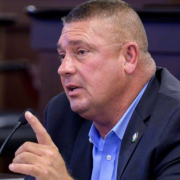
Kentucky Rep. Bill Wesley speaks into a microphone during a legislative meeting at the Kentucky State Capitol in Frankfort.

Kentucky Rep. Bill Wesley files HB 867 requiring transgender people to use birth-sex bathrooms

Transgender and gender nonconforming Kentuckians would be forced to use the bathroom tied to their assigned sex at birth under a new Republican bill.

House Bill 867, filed by Rep. Bill Wesley (R-Ravenna), would apply to all “multi-occupancy private spaces” in public buildings in Kentucky — so, bathrooms and locker rooms in any space owned, leased or operated by state and local governments. 

Anyone wishing to use those facilities would be required to use the one tied to their assigned sex at birth, and the bill only includes male and female sexes. 

HB 867 includes several exceptions for those caring for a child, elderly person or someone with a disability, emergency personnel or instances where their assigned bathroom is out of order. 

At least 10 other Republicans have signed on to co-sponsor the legislation since it was filed Tuesday.

Wesley has vowed to file legislation along these lines for nearly a year after he went viral in right-wing circles for accosting a transgender woman for using a women’s restroom at the state Capitol last March during a trans joy and visibility event. 

That altercation spiraled across one of the final days of Kentucky’s 2025 legislative session, resulting in claims that Sen. Karen Berg — a Louisville Democrat who lost her transgender son to suicide in 2022 — “slapped” him on the House floor after a visibly terse exchange between the two, leading to Berg losing her privileges to be on the House floor. 

Wesley has tried to push for “bathroom bans” before, including getting part of his proposal to limit access to school bathrooms added to Kentucky’s 2023 Senate Bill 150, which was seen as one of the worst pieces of anti-trans legislation that year. 

Lawmakers have until April 1 to pass any legislation that Gov. Andy Beshear may veto. 


Kentucky Sen. Gex Williams speaks at a podium inside the Kentucky State Capitol in Frankfort while addressing lawmakers and media.

Kentucky Sen. Gex Williams files SB 351 targeting transgender teachers’ licenses

Republican Sen. Gex Williams’ bill would deny or revoke teaching licenses based on outdated ADA definitions tied to gender identity and other disorders.

Transgender teachers would no longer be allowed in Kentucky classrooms under a new Republican proposal.

Senate Bill 351, from Sen. Gex Williams (R-Verona), says teaching licenses could not be issued to or renewed for educators who have been “treated for or diagnosed with any disorder that is excluded from the Americans with Disabilities Act of 1990” based on the criteria used at that time.

ADA excluded a short list of disorders from federal protections for those with disabilities, including a few options of now-outdated language around being transgender or having what is now known as gender dysphoria. 

The short list also includes pedophilia, compulsive gambling, kleptomania, pyromania and substance use disorders tied to illegal drug use. 

Current or would-be educators would need to swear under perjury that they’ve never been treated for or diagnosed with one of the impacted disorders when they apply for or go to renew their teaching license. 

Under SB 351, Kentucky’s teacher certification board would be required to investigate any and all complaints against educators who someone says may be showing “easily identifiable” signs and symptoms of a disorder, including potentially forcing teachers to undergo medical examinations and provide the results to the board in order to keep teaching or lose their license. 

Eric Russ, the executive director of the Kentucky Psychological Association, said the organization strongly opposes the bill. 

“Psychological science shows us that LGBTQ+ youth are harmed by the absence of supportive educators,” a statement from the KPA reads. “This bill would deter teachers from seeking mental health care, require sworn perjury statements about abandoned diagnoses, and remove qualified educators based on identity rather than conduct.” 

SB 351 would require professionals to use decades-old criteria, rather than current medical standards. 

“Psychology, like all sciences, evolves to reflect advances in understanding of neuroscience, epidemiology, medicine, and behavioral health,” KPA’s statement says. “By anchoring this law to the outdated 1987 DSM-III-R, the bill invokes classifications the profession abandoned decades ago for lack of scientific support, including the characterization of homosexuality and gender nonconformity as diagnosable disorders.”

Compelled medical examinations also bring significant ethical concerns and questions from providers and educators alike, along with fears that outting someone for getting mental health treatment will worsen the stigma tied to receiving such care. 

SB 351 was filed Monday — the last day to file new bills in the Kentucky Senate. Kentucky lawmakers have until April 1 to pass bills that Gov. Andy Beshear — a vocal supporter of both the LGBTQ+ community and Kentucky’s public educators — may veto. 

Kentucky Gov. Andy Beshear speaks at the Fairness Rally in Frankfort during the 2026 legislative session as anti-LGBTQ bills advance.

Gov. Andy Beshear, Silas House rally supporters at Kentucky Fairness Rally as anti-LGBTQ bills advance

As Kentucky’s legislative session rages on, Wednesday saw a scene frequently all too absent at the state Capitol: Unwavering queer joy, strength and solidarity led by Gov. Andy Beshear.

LGBTQ+ people and their allies, sitting lawmakers and political candidates, labor organizers and racial justice advocates, one drag queen and at least two tiny black bunnies all piled into a meeting space near the Capitol Wednesday afternoon for the annual Fairness Rally. 

This year’s event looked a little different. The rally’s normal location in the storied, marbled Capitol Rotunda is closed for renovations, forcing the event into the far smaller, far less majestic Capitol Education Center — a nondescript, unassuming government building on the edge of the Capitol grounds more frequently home to school field trip groups than hundreds rallying for LGBTQ+ rights. 

But the energy, enthusiasm, rousing speeches and thundering applause synonymous with the Fairness Rally and LGBTQ+ advocacy in Frankfort remained the same. 

For around an hour, a star-studded list of speakers including Gov. Andy Beshear and Kentucky’s first openly gay poet laureate Silas House encouraged the audience to remain resilient and don’t let Kentucky’s often hostile political environment discourage and drain you.

Kentucky Gov. Andy Beshear speaks at the Fairness Rally in Frankfort during the 2026 legislative session as anti-LGBTQ bills advance.

Gov. Andy Beshear speaks at the annual Fairness Rally in Frankfort, urging supporters to remain resilient as lawmakers consider Senate Bill 72 and House Bill 468 during the 2026 legislative session. Photo by Skylar Davis.

“Don’t back down — not to a Republican supermajority here, not to a president elsewhere,” Beshear said. “We know what’s right. We know we’re on the side of right, and I’ll keep standing up to him, or them, because I believe in you.”

Beshear became the first sitting governor to attend the Fairness Rally years ago, and he still shows up. And as the Democrat’s national profile grows amid a potential presidential run, his defense of the LGBTQ+ community has been a major talking point. 

Beshear has vetoed most anti-LGBTQ+ bills that have come across his desk from the GOP supermajority legislature (vetoes that were swiftly overridden). More bills may end up on his desk in a few weeks, as Kentucky’s legislative session heads into March. 

At least eight bills that could have a negative impact on the LGBTQ+ community have been filed so far this session, and lawmakers have until the first week of March to file new legislation. 

Two key bills brought up Wednesday were Senate Bill 72, which would allow health care providers to refuse to do any service they feel violates their beliefs, and House Bill 468, which would make it harder to enforce local fairness ordinances. 

SB 72 passed out of the Senate earlier this month and now awaits its fate in the House, while HB 468 passed out of committee Wednesday and could get a full House vote as early as Friday. 

Kentucky poet laureate Silas House speaks at the Fairness Rally in Frankfort during the 2026 legislative session.

Kentucky Poet Laureate Silas House speaks at the annual Fairness Rally in Frankfort, encouraging resilience as lawmakers consider bills impacting the LGBTQ community during the 2026 legislative session. Photo by Skylar Davis.

Other bills that have been filed but haven’t started moving in the legislative process seek to restrict drag performers and restrict access to gender-affirming medical care for those on taxpayer-funded health plans. 

There are still several weeks left in the legislative session, and the pace is picking up. Several reminded folks to stay vigilant and engaged. 

“When we refuse to back down, they will have no choice but to listen,” Senate Minority Floor Leader Gerald Neal, a Louisville Democrat, said. “Fairness is not up for debate. 

“We will not wait for permission to claim what is rightfully ours,” he continued. “We will keep pushing, we will keep fighting, and we will make sure that when history looks back on this moment, it will see not just the injustice we faced, but the strength of the people who refuse to accept it.”

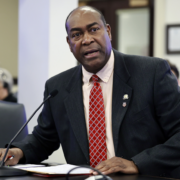
Sen. Donald Douglas, R-Nicholasville, speaks at a microphone during a Kentucky Senate Committee on Health Services meeting in Frankfort, presenting Senate Bill 72 (SB 72). He sits at a desk with papers in front of him, wearing a dark suit and red patterned tie, as attendees listen in the background.

Kentucky Senate Advances SB 72 Allowing Health Care Employees and Providers to Refuse Services on Religious Grounds

Kentucky lawmakers are again trying to allow health care providers a way out of performing procedures or services that “violate their conscience” — potentially impacting thousands of Kentuckians, particularly those who are LGBTQ+. 

Senate Bill 72 (SB 72) — sponsored by Republican Sen. Donald Douglas, a Nicholasville-based doctor — cleared Kentucky’s Senate Friday on a 28-5 vote. All five votes against the bill came from Democrats. 

It now heads to the House, which almost passed the same bill last year before running out of time. Kentucky’s GOP-dominated legislature, though, has more time this year, with weeks left in the session. 

As written, the bill would let a range of people involved in health care — from doctors and nurses, to social workers and medical researchers, to anyone deemed a “hospital employee” — along with both public and private health care institutions — including hospitals, pharmacies, nursing homes and medical schools — to refuse to perform services if they feel it violates their “sincerely held religious, moral, or ethical” beliefs. 

The list of protected services listed in the bill is equally broad, with SB 72 allowing providers to object to everything from testing and diagnostics, to direct medical care, to filling prescriptions, to recordskeeping. 

The bill also largely prohibits any sort of discrimination or adverse consequence for those who object to providing services on those grounds.

SB 72 still requires health care workers to provide emergency medical assistance, as well as examinations and tests for sexual assault survivors, as mandated under federal law. 

A range of people, from religious leaders to LGBTQ+ advocates to the ACLU of Kentucky, testified against the bill in committee Wednesday. 

Jacks Gilles, a Louisville-based psychologist who frequently works with the LGBTQ+ community, said he’s heard countless stories of patients facing discrimination in health care settings during his more than 20 years of practice.

“The harm goes deeper than an instance of denied or inadequate treatment,” he said. “It elevates anxiety and avoidance of health care settings that can exacerbate illness and prevent life-saving treatment.” 

Gilles said the Kentucky Psychological Association strongly opposes SB 72. A 2024 poll found 76% of Kentuckians — including people from across ideological lines — oppose legislation like SB 72 that would allow health care providers to deny service on religious or moral grounds. 

In the bill and during Wednesday’s Senate committee vote, Douglas defended the measure, pointing to Kentucky’s statewide hospital workforce vacancy rate and arguing the bill will help recruit and keep workers.

“Forcing health care professionals to violate their conscience could force them out of their profession and prevent or discourage students from entering the medical field,” the bill reads. 

Kentucky’s hospital staffing levels, though, have been on an upswing in recent years, moving from a statewide vacancy rate of 15.3% in 2023 to 8.9% in the most recent report from the Kentucky Hospital Association

SB 72 has an emergency clause, meaning if it is passed into law, it would immediately go into effect. (Bills passed during Kentucky’s legislative session typically go into effect 90 days after the last day of session.) 

This story has been updated.

The Kentucky State Capitol in Frankfort, symbolizing the legislative process and how bills become law in Kentucky.

How a Bill Becomes a Law in Kentucky: A Step-by-Step Guide to the Legislative Process

How does a bill become a law in Kentucky? 

Kentucky’s legislative process — aka how a bill becomes a law — has several steps, and a fair amount of rules and caveats, and all of it can be tricky to figure out, learn, memorize and apply to what you’re seeing in Frankfort when it isn’t your full-time job. 

That’s where I come in. Hi, I’m Olivia — Queer Kentucky’s lead political writer. I’m an award-winning writer, and 2026 will be my ninth regular legislative session as a reporter. 

Consider this the first installment of a rolling, occasional series from Queer Kentucky on how to navigate and understand the basics of Kentucky politics and policy.

My goal is to catch anyone who needs it at the ground level, or to just provide an easy-to-understand reference guide, so everyone knows what they need to know in order to understand what’s going on. 

Let’s begin.

The bill gets filed

Basically, a lawmaker has an idea for a new law or a way to improve an existing law, so they work with a bill drafter to put it into legalese and file it as a bill. 

The bill gets assigned to a committee

Once filed, a bill goes to a place called the Committee on Committees, which, yes, is a real thing. 

The Committee on Committees is a group of leaders in either the House or Senate, depending on where the bill is, and they decide which committee should be the first round of vetting for this bill.

Committees are topic-based, so, a bill dealing with drivers’ licenses would go to the transportation committee, and a bill dealing with how students learn to read would go to the education committee. 

First committee meeting = first vote

Committee meetings are the first big hurdle for legislation. After being assigned to a committee, a bill needs to then end up on that committee’s agenda — a call typically made by the committee chair, all of whom are Republicans thanks to the GOP’s supermajority in Frankfort. 

Once on the agenda, a bill will get “heard” by the committee. A lawmaker supporting the bill will present the bill to committee members and answer any questions they have about the measure. Sometimes, they may bring supporters of the bill to explain why the bill is important. 

They can also offer up something called a committee sub — short for a committee substitute bill. It is exactly what it sounds like: A different version of the bill that is getting subbed in for the existing version of the bill. If the committee approves to accept the committee sub, then that is the version of the bill they’ll vote on. 

Opponents to the bill can — but not always — testify against the bill in the committee meeting. This is typically at the discretion of the chair. 

After all of that, the committee will then vote on the bill. If it passes, it advances in the legislative process. If it doesn’t, it can be reheard in committee, but that isn’t guaranteed. 

Three readings, three days

Each bill must get three “readings” on the chamber floor, each one on a separate day. (“Chamber” means the House or the Senate.) 

They don’t actually read the entire bill on the chamber floor (can you imagine?). It is just an acknowledgement that the bill exists and is moving through the legislative process. 

The readings can happen before and after the committee vote, and the third reading happens at the same time as the full floor vote on the bill. 

Floor vote

A floor vote is when a bill faces an entire chamber for a vote. Each chamber has slightly different rules on how floor debates and votes go, but typically, a bill comes up for a vote, and the bill sponsor or another lawmaker backing it speaks briefly on what it is and why it should pass. 

Then other lawmakers can ask to speak on the bill and/or ask questions about it. Anyone can also bring up floor amendments — proposals to change the bill in question that will be decided, you guessed it, on the floor. But floor amendments need to be filed beforehand, and if they haven’t been filed to the exact copy of the bill being voted on at least 24 hours ahead of time, they’re typically a nonstarter. (In many situations, the exact version of the bill hasn’t been the working version of the bill for 24 hours, but that is the way things are run.)

The chamber eventually votes on the bill. If it passes, it heads to the other chamber. 

Repeating the process

After passing its first chamber, the bill will then need to repeat much of the same process in the second chamber. (So, if it started in the House, it does the process over again in the Senate, and vice versa.)

It needs to get assigned to a committee, pass out of committee, get three readings on the chamber floor and then pass out of the entire chamber. 

There is one situation where this doesn’t happen, though. Sometimes, lawmakers will file mirror legislation: Copies of the same bills, with one in the House and one in the Senate. If they both pass the same bill out of their chambers, they can shrink how long the overall legislative process takes. 

Concurrence

Once the second chamber votes to pass the bill, things can get a little wonky. 

If the bill did not change between the two chambers, it is considered passed and goes to the governor’s desk.

But if it did change between chambers, it needs to go back to the first chamber and they need to approve of the changes. If they do, to the governor’s desk it goes.

But if they don’t, the second chamber is asked to get rid of their changes to the bill. If they say yes, to the governor. If they don’t, then the bill goes to a place called a conference committee — basically when a bunch of folks look at the existing bill and come to a compromise about what it should look like, within the confines of the bill’s existing language. 

And if that still doesn’t work, the bill goes to a free conference committee — basically a group of folks free to do whatever they want to the legislation to strike some sort of agreement that both chambers will approve and then send to the governor. 

Once both sides come to an agreement

The bill heads to Gov. Andy Beshear’s desk for approval. He has 10 days to either sign the measure into law, veto it, or let it become law without his signature. 

What if Beshear vetoes a bill? 

If he vetoes a bill before the veto period — a break in late March and early April for Beshear to go through all of the bills and veto/sign them — the bill will then go back to the GOP-dominated legislature, which can and almost always overrides his veto. Both the House and the Senate need to vote to override a veto, and they need a simple majority of members of the chamber to vote to override. 

At that point, the bill then goes to the Kentucky Secretary of State, who is required to put the new law on the books. 

But if a bill gets vetoed after the veto period, the legislature cannot override it because they’re no longer in session. This situation rarely happens, though, because the GOP legislature works to make sure all of their controversial legislation gets passed before the veto period.

How long does all of this take?

Each bill is required to receive three readings on three separate days in each chamber, so the whole process typically takes about six legislative days — but they can make it five days by giving a bill a final vote in one chamber and then its first reading in the second chamber on the same day.

There are loopholes, though, to get things through faster, like the mirror legislation tactic. They can also take an existing bill that’s already advanced through some votes, swap out its language, and clear it that way. 

A drag queen performs in Covington. House Bill 360.

Kentucky Republican Files House Bill 360 to Criminalize Drag Performances

A Republican Kentucky lawmaker wants to make performing in drag a crime. 

House Bill 360, filed Tuesday by Rep. Scott Sharp (R-Ashland), would create a series of criminal penalties for “adult performances” done in public or in places where minors could be present.

The bill specifies one such performance would be a “performance involving male or female impersonators who provide entertainment” that “predominantly appeals to prurient interest in sexual conduct; depicts or describes sexual conduct in a patently offensive way; and taken as a whole, lacks serious literary, artistic, political, or scientific value.” 

Those found in violation would get a Class B misdemeanor for their first offense, a Class A misdemeanor for their second offense, and a Class D felony for their third and additional offenses. 

Declaring “the protection of children is of paramount importance to the citizens of this Commonwealth,” the bill comes with an emergency clause — meaning it would immediately go into effect if it becomes law. 

Sharp’s bill’s language mirrors previous failed attempts in the Kentucky legislature at restricting drag performances. GOP lawmakers tried to pass such legislation during the 2023 and 2024 legislative sessions, but did not file anything during the 2025 session. 

This story may be updated.

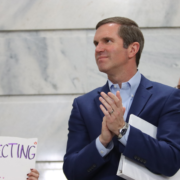
Gov. Andy Beshear, in a blue suit claps while standing inside a marble government building during a Fairness Rally, as people around him hold protest signs advocating for LGBTQ+ protections.

Queer Kentucky 2026 Bill Tracker: Key Legislation to Watch in Frankfort — KYGA26

Kentucky’s 2026 legislative session is gonna be a long one, and Queer Kentucky is here to help.

Meet Queer Kentucky’s #KYGA26 Bill Tracker. For the second year in a row, this will be your go-to spot for real-time updates on key bills impacting Kentucky’s LGBTQ+ community.

We’ll comb through all of the legislation as it gets filed, flag bills to watch, explain what they mean and why they’re important, and then monitor them as they move through Frankfort. We’ll also watch for any last-second bill changes y’all need to know about.

To better help cut through the chaos of Frankfort, this bill tracker has two parts. (Both parts are on this page, so go ahead and bookmark it and make plans to check it regularly.)

First, we’ll have a searchable database of a larger selection of bills folks are talking about, are big legislative priorities, or are just things y’all might find interesting.

Then, we’ll have written blurbs diving deeper — but still keeping things concise — into the absolute must-watch bills impacting LGBTQ+ rights and people.

The 2026 legislative session kicks off Jan. 6 and lasts until April 15. Lawmakers have until the first week of March to submit new bills (but they can change existing bills however they want until the end of session).

Got a certain bill or topic you want us to monitor? Email lead politics reporter Olivia Krauth at [email protected] or fill out this anonymous survey.

This story was last updated March 29 at 7:45 p.m.

Search through key legislation

Bills that are (technically) still alive

House Bill 759: Anti-trans teacher floor amendment

  • Sponsor: Rep. J.T. Payne (R-Henderson)
  • Quickly, what’s going on here?: A floor amendment wants to add language to keep transgender teachers out of Kentucky classrooms. The floor amendment would need to be voted on by the full Senate, but it is expected to be withdrawn because it breaks a Senate rule around adding the contains of a bill to a different one.
  • Here’s a link to the full bill.
  • Where is the bill: Passed out of the House and a Senate committee, now waiting for a full Senate vote.

Bills that have been withdrawn

Senate Bill 351: Transgender teachers couldn’t teach

  • Sponsor: Sen. Gex Williams (R-Verona)
  • Quickly, what’s going on here?: Anyone treated for or diagnosed with outdated criteria around gender identity disorders would no longer be allowed to be certified to teach in Kentucky classrooms.
  • Here’s a link to the full bill.
  • Where is the bill: Withdrawn March 26.

Bills that are dead

House Bill 468: Cripple ability to enforce fairness ordinances

  • Sponsor: Rep. Daniel Elliott (R-Danville)
  • Quickly, what’s going on here?: In the initial version of the bill, local Human Rights Commissions would have a harder time enforcing local fairness ordinances or go after allegations of discrimination, among other things. Newer versions of the bill have weakened those concerns.
  • Here’s a link to the full bill.
  • Where is the bill: Passed out of the House, now waiting for a Senate committee assignment.

Senate Bill 72: Health care professionals’ conscience

  • Sponsor: Sen. Donald Douglas (R-Nicholasville)
  • Quickly, what’s going on here?: Health care professionals could not be discriminated against for refusing certain treatments or procedures that violate their conscience.
  • Here’s a link to the full bill.
  • Where is the bill: Passed out of the Senate, now waiting for a House committee assignment.

House Bill 867: “Bathroom ban” in public buildings

  • Sponsor: Rep. Bill Wesley (R-Ravenna)
  • Quickly, what’s going on here?: People using bathrooms in public buildings would be required to use the bathroom tied to their sex assigned at birth.
  • Here’s a link to the full bill.
  • Where is the bill: Assigned to the House State Government Committee.

House Bill 553: No funding for gender transition health care

  • Sponsor: Rep. Josh Calloway (R-Irvington)
  • Quickly, what’s going on here?: HB 553 would block any sort of taxpayer-funded health plans — including those for state and local government employees — from covering gender transition-related health services. It would also require licensing boards for health care providers who violate the law to revoke those providers’ licenses.
  • Here’s a link to the full bill.
  • Where is the bill: Assigned to the House State Government Committee.

House Bill 360: Make drag a crime

  • Sponsor: Rep. Scott Sharp (R-Ashland)
  • Quickly, what’s going on here?: HB 360 would make performing in drag in public or other places where minors could be present a crime. The first two offenses would be a misdemeanor, before the third and additional offenses become Class D felonies.
  • Here’s a link to the full bill.
  • Where is the bill: Assigned to the House Judiciary Committee.

House Bill 475: Male and female only

  • Sponsor: Rep. Ryan Dotson (R-Winchester)
  • Quickly, what’s going on here?: HB 475 would put it in Kentucky law that a person only has one gender: male or female.
  • Here’s a link to the full bill.
  • Where is the bill: Assigned to the House Health Services Committee.

Senate Bill 239: Undo most of 2023’s SB 150

  • Sponsor: Sen. Karen Berg (D-Louisville)
  • Quickly, what’s going on here?: SB 239 would undo much of Kentucky’s 2023 sweeping anti-trans legislation, instead requiring schools to provide bathrooms tied to a student’s gender identity and use the student’s preferred pronouns if they provide a doctor’s note showing they have gender dysphoria. It would still outlaw gender-affirming surgeries for minors, but would allow those with gender dysphoria and a parent’s permission to receive nonsurgical medical treatments.
  • Here’s a link to the full bill.
  • Where is the bill: Waiting for a committee assignment.

Senate Bill 252: Allow lawsuits over sexual orientation, gender identity change attempts

  • Sponsor: Sen. Karen Berg (D-Louisville)
  • Quickly, what’s going on here?: SB 252 would allow someone to sue if someone tries to change their sexual orientation or gender identity against their will, for example, with conversion therapy.
  • Here’s a link to the full bill.
  • Where is the bill: Waiting for a committee assignment.

House Bill 664: Allow lawsuits over sexual orientation, gender identity change attempts

  • Sponsor: Rep. Lisa Willner (D-Louisville)
  • Quickly, what’s going on here?: Same thing as SB 252 — it would allow someone to sue if someone tries to change their sexual orientation or gender identity against their will, for example, with conversion therapy.
  • Here’s a link to the full bill.
  • Where is the bill: Assigned to the House Judiciary Committee.

House Bill 170: Protecting “religious liberty”

  • Sponsor: Rep. TJ Roberts (R-Burlington)
  • Quickly, what’s going on here?: HB 170 says the government could not “substantially burden” someone’s freedom of religion, including but not limited to forcing someone to serve LGBTQ+ people or having a local fairness ordinance. LGBTQ+ advocates often refer to measures like these as “jackpot justice” bills.
  • Here’s a link to the full bill.
  • Where is the bill: Assigned to the House Judiciary Committee.

House Bill 334: Male and female only 

  • Sponsor: Rep. Candy Massaroni (R-Bardstown)
  • Quickly, what’s going on here?: HB 334 would establish a “Kentucky Women’s Bill of Rights,” which would allow public entities to distinguish between male and female based on biological sex and require several such entities that keep vital statistics to only use male or female.
  • Here’s a link to the full bill.
  • Where is the bill: Assigned to the House State Government Committee.

Senate Bill 179: Male and female only 

  • Sponsor: Sen. Lindsey Tichenor (R-Smithfield)
  • Quickly, what’s going on here?: SB 179 generally does the same things as HB 334.
  • Here’s a link to the full bill.
  • Where is the bill: Waiting for a committee assignment.

Senate Bill 115: Statewide fairness ordinance

  • Sponsor: Sen. Gerald Neal (D-Louisville)
  • Quickly, what’s going on here?: SB 115 would create a statewide fairness ordinance, blocking discrimination based on sexual orientation or gender identity.
  • Here’s a link to the full bill.
  • Where is the bill: Waiting to be assigned to a committee.

House Bill 653: Statewide fairness ordinance

  • Sponsor: Rep. Mary Lou Marzian (D-Louisville)
  • Quickly, what’s going on here?: SB 115 would create a statewide fairness ordinance, blocking discrimination based on sexual orientation or gender identity.
  • Here’s a link to the full bill.
  • Where is the bill: Assigned to the House Judiciary Committee.
Gov. Andy Beshear and Fairness Campaign Executive Director Chris Hartman speak at an LGBTQ rights rally during Kentucky’s General Assembly in Frankfort. 2026 Legislative session starts tomorrow.

Closed Chambers, Big Decisions: What Kentucky’s 2026 Legislative Session Means for the LGBTQ+ Community

At last, Kentucky’s 2026 legislative session is upon us. 

This year’s session starts on tomorrow, and lawmakers will meet almost daily until April 15. Hundreds of bills and resolutions are expected to be filed, including measures to create the state’s next two-year budget.

Here’s what you need to know as #KYGA26 gets underway.


When do Kentucky lawmakers meet during the 2026 legislative session?

Lawmakers are scheduled to meet almost every business day from Jan. 6 to April 1, then take a quick break so Gov. Andy Beshear can sign or veto legislation, and then finish the session on April 14 and 15.

You can see the full calendar on the LRC’s website.

Typically, the House and Senate gavel in to discuss and vote on bills at 4 p.m. on Mondays, 2 p.m. Tuesdays through Thursdays, and 9 a.m. on Fridays. 

Lawmakers often spend the mornings meeting in committees, where they learn about new bills, receive feedback, and then give bills their first vote. Most committees are scheduled to meet somewhere between 8 a.m. and noon, Tuesdays through Thursdays. You can view the full standing committee schedule here

All of these times can change, and surprise meetings can and will pop up, so it helps to pay attention to the legislative calendar on the LRC’s website. This is where you can see which committees are meeting each day, what they’re scheduled to discuss, plus when and where they’ll meet. You can also follow the LRC on social media for more real-time updates. 

Where is Kentucky’s 2026 legislative session?

Kentucky’s state Capitol is closed thanks to multi-year renovations, so the House and Senate will meet in a temporary structure built in the Capitol’s parking lot in Frankfort.

Committee meetings will still take place in the Capitol Annex, which is right behind the Capitol and adjacent to the new temporary chambers.

What do the Capitol renovations mean for public access? 

The public will no longer be able to watch in-person as the House and Senate debate and vote on bills. When building the temporary House and Senate chambers, they did not include galleries — the public viewing area — in their plans. 

Instead, certain committee rooms in the Capitol Annex will be designated live-watch zones where the public can watch a livestream of what’s happening in the House and Senate’s temporary chambers. 

The Capitol’s closure also means protests, rallies and other events typically held in the Capitol rotunda will need to find a new venue. 

How can I follow along? 

You can show up in-person to watch committee meetings, testify or protest at those meetings, rally in the halls of the Annex or outside the building as lawmakers walk to their temporary chambers, and/or watch a livestream of something happening next door in Frankfort.

Panelists at Queer Kentucky’s legislative preview panels repeatedly said showing up in-person if you can, even if it’s just in the Annex for a committee meeting, is perhaps the best way to advocate for yourself and causes you’re interested in. 

But there are other ways to stay connected to what’s happening in Frankfort:

  • Watch the livestreams from KET or the LRC’s YouTube page anywhere you have internet access, or watch the replays afterwards.
  • Follow your favorite politics reporters on social media — media will still be able to be on the floor of the House and Senate chambers.
  • Sign up for advocacy groups’ and news outlets’ alerts to know what is the breaking news, especially around the topics you care about. 
  • See if your lawmakers are active on social media or publish a newsletter with updates about how they voted during the session. 

What will lawmakers focus on during Kentucky’s legislative session?

2026 is an even-numbered year, which means Kentucky’s legislature must craft its next two-year state budget. That will almost certainly be the highest priority for lawmakers, but expect budget talks to be a bit of a slow burn over the first two months or so of session before the final details get hammered out as session winds down.

Outside of the budget, here’s a quick look at some of the key issues that could come up:

  • Data centers and what restrictions (if any) they should have
  • Preparation for looming federal changes to things like SNAP benefits and Medicaid
  • How Kentucky can address its lack of affordable housing
  • Making child care more accessible or, if Beshear gets his way, offering universal preschool 
  • Prohibiting diversity, equity and inclusion efforts in K-12 education
  • Legislation aimed at the state’s largest two school districts (Jefferson and Fayette counties) following lawmakers’ dissatisfaction with the districts’ financial woes and low test scores

When it comes to LGBTQ-focused legislation that could gain traction this year, here’s a short list:

  • “Jackpot justice” measures that could threaten local fairness ordinances
  • Measures allowing health professionals to opt out of treating someone on the basis of religious or moral grounds
  • Additional attempts to restrict drag performances and artists
  • A “bathroom bill” restricting which bathrooms Capitol visitors can use after a GOP lawmaker confronted a transgender woman for using the women’s restroom in the Capitol at the end of the 2025 legislation session. 

What will Queer Kentucky cover this session?

You tell us! Fill out this survey and let us know what topics and bills interest you most. Or you can contact lead political writer Olivia Krauth at [email protected]

Want to help fund our journalism? Become a Queer Kentucky Bedfellow.

Let’s look at the final full week of Kentucky’s 2025 legislative session

This article was originally published by The Gallery Press by Olivia Krauth

This is the final full week of Kentucky’s 2025 legislative session and, honestly, thank God for that.

The GOP-dominated legislature has until 11:59 p.m. Eastern Friday night to pass anything controversial before a 10-day veto period starts. That’s when Gov. Andy Beshear — known supporter of DEI efforts and the LGBTQ+ community — can reject bills sent to him for consideration to be law, but lawmakers would still have two days at the end of the month to override him.

If anything anti-DEI or anti-LGBTQ+ *doesn’t* make it to Beshear by then, I would tell you it is safe to assume it is dead and won’t become law. But also this is Frankfort and apparently we can randomly try and block needed health care from transgender Kentuckians at 8:30 in the morning, so.

A note of caution: There is so, so, so much going on in Kentucky politics right now. For this evening, I’m focusing on the five bills left on the Queer Kentucky bill tracker I’ve been running all session that are still considered alive because what an absolute day for going after the LGBTQ+ community.

As always, you can fill out this survey real fast to let me know what questions you have or what bills you’d like an update on. (And yes, you can also submit people for the potential Best Dressed of #KYGA25 list.)

OK, let’s begin.


FRANKFORT, March 7 – Rep. Ryan Dotson, R-Winchester, (left) confers with Rep. David Hale, R-Wellington, during Friday’s House session. (Photo: LRC Public Information)

OK, seriously?

We can start with the way some Republicans decided to take a bill that already sought to prohibit bans on conversion therapy — a discredited attempt at counseling kids out of being anything other than straight — and then somehow add a section barring Medicaid funds from covering gender-affirming health care for transgender Kentuckians.

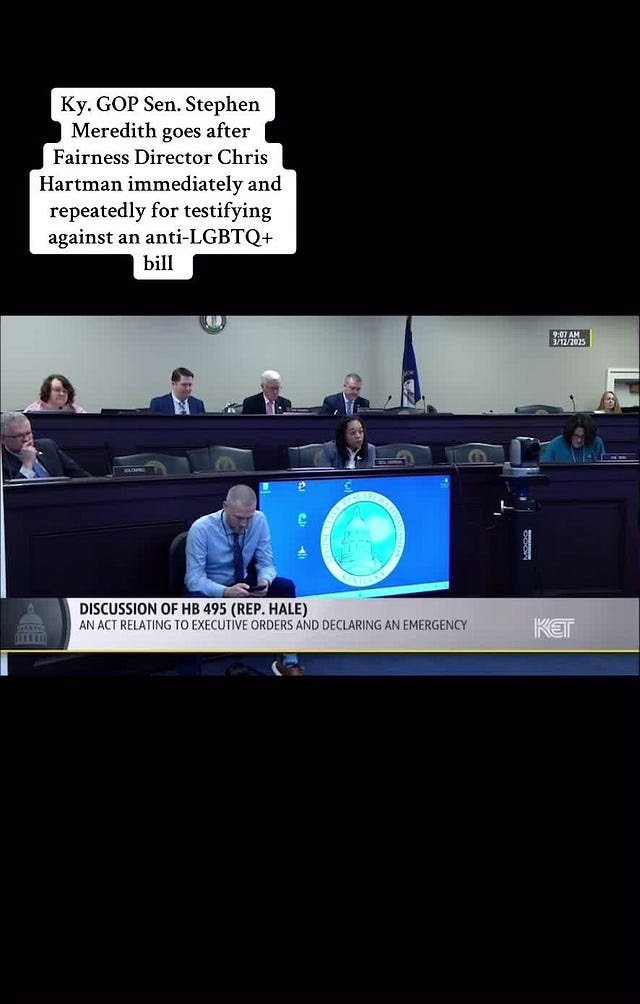
They did this literally at 8:30 a.m. Wednesday in front of a Senate committee, which proceeded to pass the new bill (House Bill 495sponsored by GOP Rep. David Hale).

Hale, to his credit, explained the committee substitute of the bill, which radically altered the bill with all of the new we’re-taking-away-your-health-care language, in the committee.

It was interesting to hear Hale present and defend this sudden change because just last week, he seemed to be defending a parent’s right to choose their child’s health care. Now, he’s defending the state’s right to choose your health care, regardless of age. Wonder what changed.

However, he was — and has been — praised for working to make the conversion therapy part of the bill stronger, per Dem Sen. Karen Berg. But the new section yanking away health care was a no-go.

The HB 495 committee vote also included committee chair GOP Sen. Stephen Meredith yelling at Fairness Campaign director Chris Hartman mere *syllables* into Hartman’s testimony against the bill.

I’ve seen plenty of high tensions in Frankfort, but Meredith’s audacity might be unprecedented.

HB 495 now has two readings in the Senate, meaning it could get a full Senate vote as early as Thursday morning, actually, since both the House and Senate decided to gavel in at 9 a.m. instead of the normal 2 p.m.

If it passes the Senate, the House needs to agree with the changes the Senate made to their bill before it gets sent to Beshear’s desk where it will almost absolutely be vetoed.

But here’s the thing: Some Republicans in the House already tried to make the whole blocking Medicaid funds situation a thing several weeks ago and the bill went nowhere. Not even when HB 495 was up for a House vote last week did they try to add this language to it.

So, why now? And will the Senate be interested in it?

And if the Senate approves it, the House has to agree with the changes — will they? Will they do so by Friday night? If they don’t, will a conference committee — a group of lawmakers tasked with finding a compromise — be successful in time?

And if the conference committee fails, what will the free conference committee — the group that basically gets to take the bill and do whatever they want to it — come up with? And will they reach a solution in time?

Is it really worth it to them to spend that much time during the next two legislative days? We’ll see.

It is entirely possible that adding this language about Medicaid will cause the entire thing to collapse, therefore allowing Beshear’s ban on conversion therapy to stay in place. But again, we’ll see.


FRANKFORT, March 12 – Senate Democratic Floor Leader Gerald A. Neal, D-Louisville, speaks on House Bill 4, an act related to diversity, equity and inclusion initiatives, on the Senate floor Wednesday. (Photo: LRC Public Information)

Does anyone know when slavery ended?

Kentucky’s GOP-dominated Senate easily approved — with an assist from Dem Sen. Robin Webb, who also voted in favor of the measure — this year’s marquee anti-diversity, equity and inclusion bill, House Bill 4.

HB 4 is aimed at college campuses, and despite this being a high-profile topic for the last two sessions and the bill actually not changing a ton since being filed last month, I’m still not sure if anyone is 100% sure what exactly it does and doesn’t do.

Generally, it is aimed at not forcing any policy designed to be based on religion, race, sex, color or national origin. It wants to do away with DEI offices. It wants to foster intellectual diversity, though, that is safe.

But, just like with so many other bills sparked by the GOP’s culture wars, even with attempts to make its language specific and after months of discussion, it still isn’t totally clear.

And when things like this aren’t clear, it often has a chilling effect on educators and admins.

Wednesday’s Senate vote was, um, interesting. Some Dems, like Louisville Dem Sen. Karen Berg, shared lengthy, personal stories about how DEI impacted them directly. Republican Sen. Donald Douglas, who is Black, rattled off a list of historical facts, including sharing that slavery ended in 1805. Dem Sen. Reggie Thomas, who is also Black, later corrected him regarding slavery facts.

And apparently there was an off-camera fight between legislative leaders, captured by the Kentucky Lantern’s McKenna Horsley.

McKenna Horsley @mckennahorsley.bsky.social

Some party leaders are having a heated discussion.

View on Bluesky

I could write an entire other newsletter about the energy, the body language, Sen. Karen Berg’s shawl version of a Snuggie (?), the last second appearance of Sen. Cassie Chambers Armstrong — everything — in this clip, but I am tired and so therefore I will move on (for now).

This one is off to Beshear, who has 10 days to decide what he wants to do with it. (Spoiler: He will most likely veto it.)


More on LGBTQ+ issues

Senate Bill 2

SB 2, which would block gender-affirming health care for the 67 or so transgender inmates in Kentucky, passed a House committee Wednesday.

This is a top priority bill for the Senate GOP — all 31 Republican senators signed on as a cosponsor — but it looks like it might not have the time to pass the House. It needs three readings across three days, like all bills, and it needed its first reading on Wednesday in order to pass by Friday. And it got that first reading. So we’ll see how this goes.

But while Beshear is pretty pro-LGBTQ+, I don’t know if he’s gone on record regarding this particular issue. It might be possible that he won’t veto it, and therefore Republicans have a bit of extra time.

Senate Bill 132

This one would basically allow health care professionals to refuse to do certain medical procedures if those procedures violate their values. So, think, if their religious values include not believing LGBTQ+ people are real, they could refuse to provide needed gender-affirming health care. Same idea goes for abortions.

This passed out of a House committee and got that first reading Wednesday, so this also could pass Friday.

Senate Bill 60

SB 60 is very much like SB 132, but it extends the religious liberty thing to basically everything — not just health care.

It is almost safe to say this one is dead. It could’ve been heard in committee Wednesday, and yet they didn’t put it on the agenda. It also doesn’t have any of its three readings in the House, and there are only two legislative days left before the veto period, so … the math.


Oh, and also

For reasons I have not seen publicly and/or widely articulated, apparently Grimace was terrorizing the Kentucky Capitol Annex Wednesday.

As if the session itself wasn’t a terror enough.

Apparently, there is also an uprising regarding an alleged recent decision to stop the Capitol Annex snack shop (a small place with a gas station-like assortment of snacks and drinks so you don’t pass out in Frankfort and/or for those of us who have a fear of the Capitol Annex cafeteria) from offering *checks notes* hot food?

Obviously, I will keep y’all updated with such incredibly passing matters, especially as the veto period approaches.


Some programming notes

Just a bunch of repeats from last week:

  • If you’re a paid sub, PLEASE double-check what card you have on file so any and all payments go through. Several of y’all signed up for annual subscriptions last March, so those should be renewing soon and I’d hate for you to lose access at the worst possible moment of session.
  • It is fully party time in Frankfort, but party time in Frankfort does not come cheap. If you’d like to chip in a few bucks for gas or a Celsius via Venmo, I’d be forever grateful (but no pressure, seriously). My Venmo is right here.
  • Also, please take a second and share this newsletter with a friend and/or on your social media feeds! As I said, it is fully party time in Frankfort, and the more folks we have reading + sharing The Gallery Pass, the better the party. Plz + thx!

Where can you find me?

  • For live updates: Either Twitter or BlueSky.
  • For video recaps/explainers/answering your questions: TikTok.
  • For aesthetically pleasing things to add to your Insta story: My professional Instagram.
  • For full-length articles: Queer Kentucky.
  • For regular recaps + analysis: The Gallery Pass. (Please tell your friends to subscribe!)
  • To send me ideas and tips: Use this survey. It is anonymous and you can fill it out as often as you’d like.
  • To support my work: Venmo. (Again, no pressure.)

Aight, my party people, we will talk when we talk next. If you see me in Frankfort and I’m not sobbing in my car, feel free to come up and say hi! I have friendship bracelets!

Toodles!

Pin It on Pinterest